Brian Sims
Editor
Brian Sims
Editor

STADIUMS AND arenas are no longer places that come to life only on an event day. Increasingly, they’re becoming year-round hubs for concerts, conferences, hospitality, retail and community activity, writes John Lutz Boorman. However, as these venues grow more complex and multifaceted, so does the challenge of keeping visitors and staff safe throughout the year.
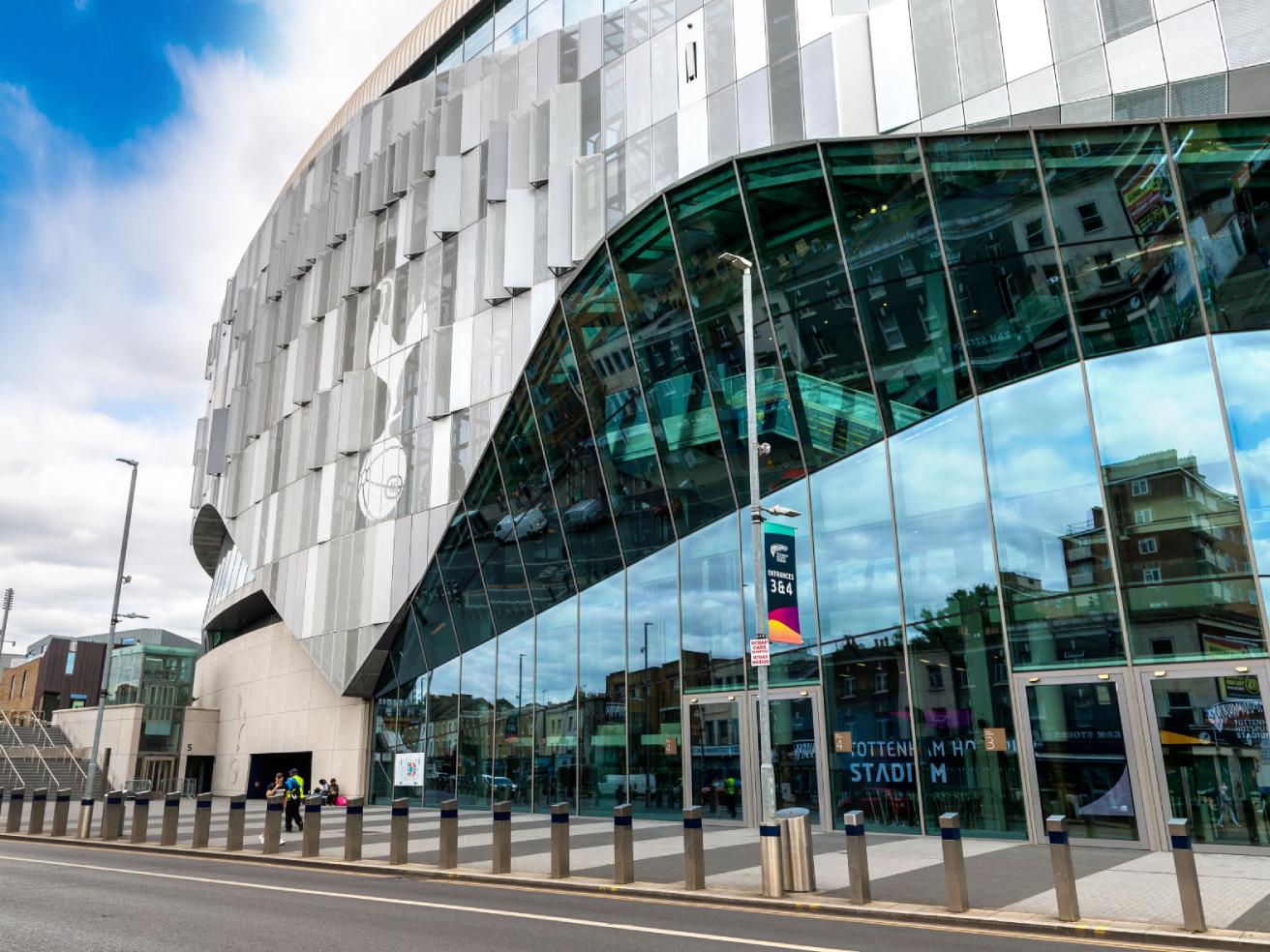
The Tottenham Hotspur Stadium (pictured) is an excellent example of a venue generating additional revenue and audiences beyond football matches, with its 2025 commercial income rising from £255.2 million to £277.1 million due to hosting four National Football League (NFL) franchises, high-profile boxing events and a Beyoncé summer concert series.
Security is no longer simply about responding to incidents that occur in venues. Instead, it has become a strategic function that enables stadium leadership to tailor security to different event types and risk levels, keep on top of Health and Safety and maintenance-related tasks and add value to marketing, sales, operations and more.
More pointedly, venue operators will soon have to comply with the Terrorism (Protection of Premises) Act 2025, better known as Martyn's Law, which received Royal Assent in April last year and is expected to come into force in the early part of 2027. With less than a year before implementation is anticipated, those organisations responsible for large publicly accessible venues are increasingly assessing how they can strengthen preparedness, while also maintaining a positive visitor experience.
Named in memory of Martyn Hett, a victim of the Manchester Arena terrorist attack back in 2017, the legislation introduces new responsibilities for venue operators to consider the risk of terrorism and put appropriate measures in place designed to help prevent, respond to and reduce the impact of a terrorist attack if one should occur.
Notably so for those venues that can accommodate upwards of 800 attendees, physical protection in the form of video surveillance, vehicle access control, ground security and more must be considered and evaluated on a regular basis. Artificial Intelligence (AI)-powered video solutions can help organisations to meet their obligations under Martyn’s Law as part of a wider readiness strategy.
Shift from traditional surveillance
Traditional video surveillance systems have always played a critical role in venue security, but their effectiveness has often relied on human operators monitoring dozens – or even hundreds – of video feeds simultaneously. In busy environments, critical details can be missed, particularly so when security teams are managing large crowds, multiple entry points and fast-moving situations.
With AI-powered cameras and video management systems (VMS), operators no longer need to continuously monitor multiple video, chat and sensor data streams. Instead, AI does the monitoring, flagging any suspicious activity, unauthorised objects (people and vehicles), crowd congestion and so on for operators to respond to if needed.
Operators are freed-up to focus on other activities, while the system will quickly alert them to events that require intervention, helping them to respond to events rapidly and prevent situations from escalating.
Ground teams also benefit from contextual AI-powered insights that can help them track and locate a person or a vehicle of interest.
Supporting Martyn’s Law
By enabling security teams to assess and respond to situations before they develop into something more serious, venues are better prepared for some of the objectives underpinning Martyn’s Law.
The legislation places particular emphasis on preparedness, requiring organisations to consider how they would respond to incidents through measures such as evacuation, lockdown procedures and effective communication. Situational awareness is fundamental to all four.
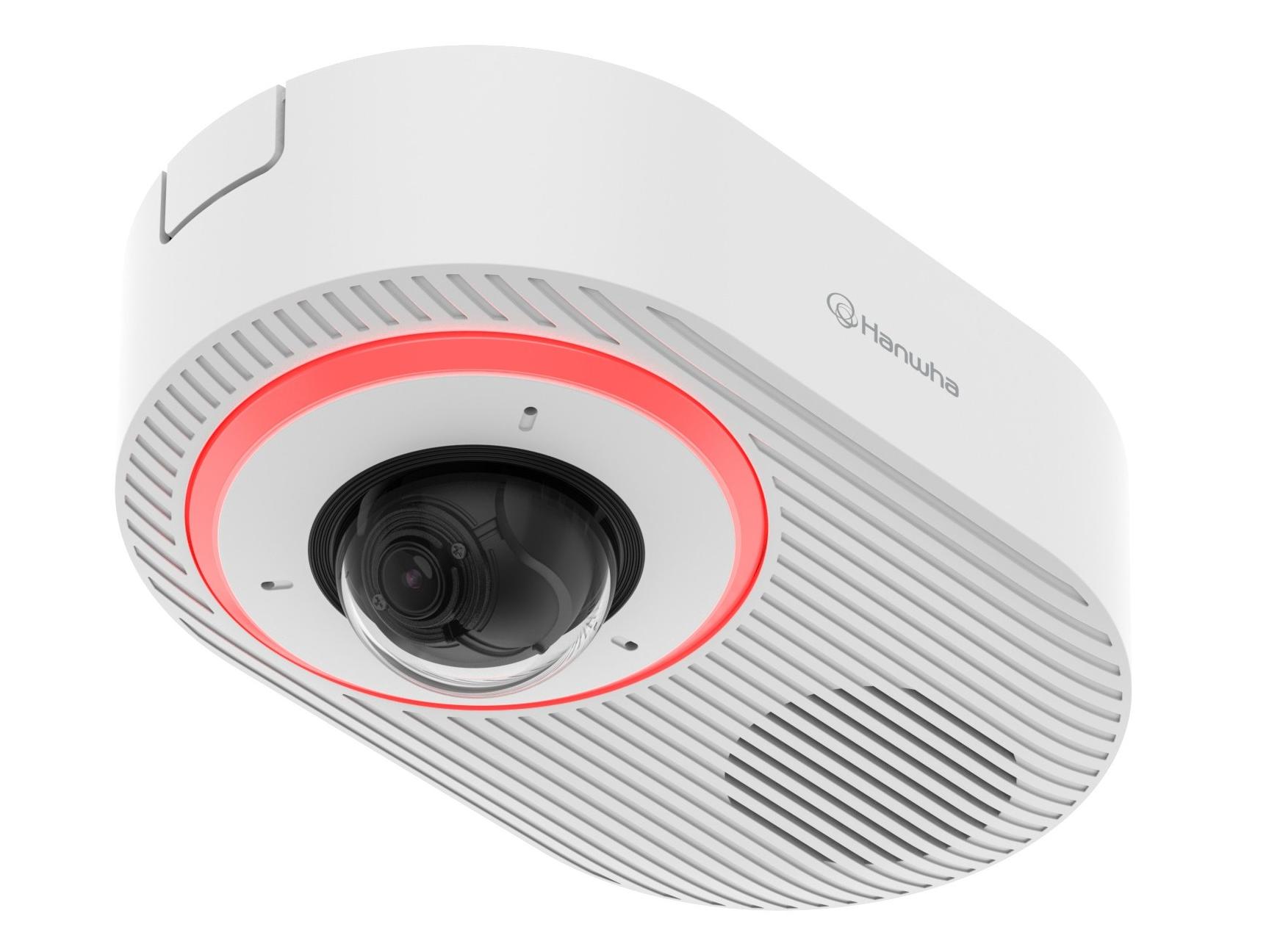
Modern day cameras equip operators with HD footage of an event or an object of interest. Most cameras available on the market start at 1080p definition, with 4 MP, 6 MP, 8 MP or 4K resolution options.
Camera form factors have also improved, with dome, flat eye, bullet, fish eye, pan-tilt-zoom (PTZ), thermal and multi-directional models providing venues with a range of options to fit any size of area and surveillance reequirement.
Real-time intelligence
Real-time intelligence from video surveillance provides operators with a clearer understanding of what’s happening across a venue and its surrounding environment. Vitally, AI-powered video analytics and AI object detection help operators to avoid missing events that need their attention and action.
During an emergency, security teams can monitor crowd movements, identify potential bottlenecks, move towards the last known location of a potential attacker and direct the public away from dangerous areas.
Information on an attacker’s location, physical appearance and direction of travel, plus the location of any casualties or people hiding within the venue, can be shared with on-site personnel and the Emergency Services, in turn helping to co-ordinate a faster and more efficient response.
In order to further refine operator response times and efficiency, alerts can be set based on multiple analytics triggers (for example, if an individual is detected crossing a line and then remains in a pre-defined area for a set number of seconds).
Efficient post-event investigations
For post-event investigations, operators can search footage quickly using the metadata stored within video. For example, they can pull up all footage of all those people wearing a grey top or, to filter this further, a child wearing a grey top. This improves the efficiency and speed of carrying out investigations.
Moreover, if a video analytics tool supports it, operators can use an AI-powered search feature that enables them to input a phrase or sentence of what they’re looking for, with the system showing them all relevant results. This feature, known as semantic search, is a more natural way of searching akin to prompting a generative AI tool to arrive at a result.
Operators can also select a specific area of interest to view all footage related to that area, allowing them to quickly find motion within that area. They can see all motion within that section on all captured video footage in order to pinpoint, for example, who left a suspicious package in a room.
Some video analytics systems can also pull footage of similar objects across multiple cameras, which can then help to track the direction of a vehicle or person of interest as they move across a busy and large event space.
Protection beyond the perimeter
Modern venue security increasingly extends beyond the perimeter fence or turnstile. Many new stadium developments are embedded within wider entertainment districts, retail destinations and mixed-use communities. As a direct result, operators are responsible for understanding activity not only inside a venue, but also across surrounding public spaces where large crowds gather before and after events.
AI-enabled video helps operators to monitor large areas efficiently, maintaining situational awareness across multiple locations and mixed-use premises (ie the arena, retail outlets, transport links, storage and backroom areas, etc). Operators gain a comprehensive understanding of potential risks and a stronger ability to respond before issues escalate.
Delivering additional value
There are also value-added benefits to other departments, such as marketing, sales, maintenance, staffing and cleaning. Understanding and predicting busy periods and crowd flow patterns, alerting to long queue lengths, identifying congestion points and monitoring vehicle movements and parking spaces all help to improve the visitor experience and streamline event operations.
This is particularly useful, in fact, for multi-use venues where one day a football match may be hosted, the next day a corporate event takes place and, the following day, a concert, with different stadium areas being used each time.
Operators need visibility of how people move through their spaces and where resources are best deployed. AI-powered video analytics can provide that intelligence in real-time.
Venue leaders have a short window of opportunity to strengthen their security strategies ahead of Martyn’s Law coming into force. Investing in AI-powered video security shifts security into a proactive and value-generating function that meets the needs of today’s multi-use event spaces, while helping to deliver the visitor experience that attendees would fully expect and have become accustomed to through time.
John Lutz Boorman is Head of Product and Marketing at Hanwha Vision Europe (www.hanwhavision.com/uk)
Western Business Media Limited
Dorset House
64 High Street
East Grinstead
RH19 3DE
UNITED KINGDOM