Brian Sims
Editor
Brian Sims
Editor

IN THE third instalment of an exclusive four-part series for the readers of Security Matters, Paul Lotter concentrates on pinpointing security-related problems early on, deploying the right prevention methods and recognising the human judgement that necessarily underpins every response.
In the first two articles of this series, we focused on Assess and Understand: working out what needs protecting and from what. Those are the thinking steps. Deter, Identify and Treat are the operational ones: discouraging a problem before it starts, spotting it the moment that it does and then acting on it properly.
Where Deter is about prevention, Identify and Treat are about how and what you do when you spot a potential threat.
Deter: preventing risk
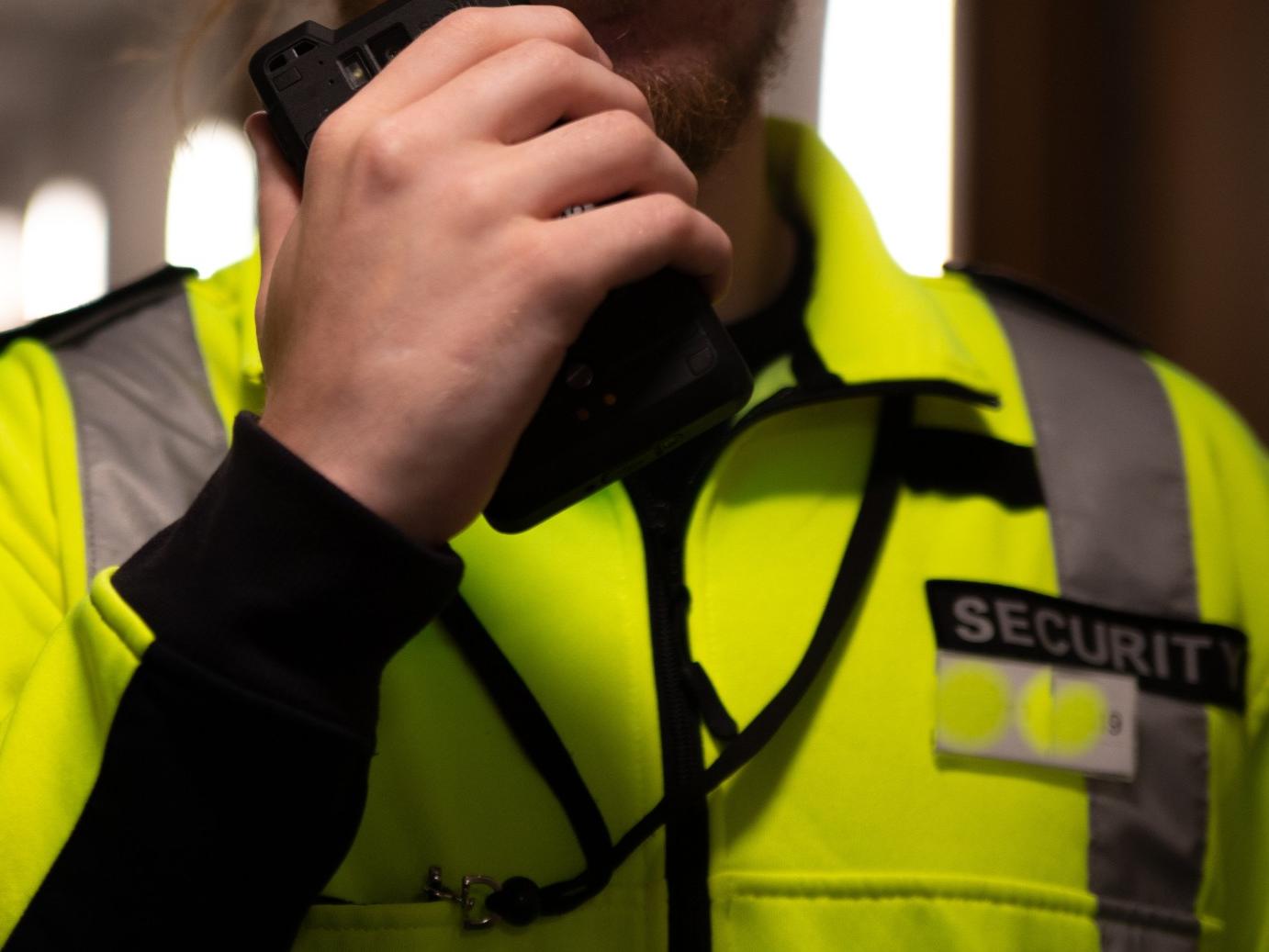
Deter is about influencing behaviour before anything happens. Here, a visible and professional presence remains one of the most powerful deterrents in existence. Security officers stationed at reception and access points, backed by effective access control, signal that a site is actively protected, which reassures occupants and makes an opportunist criminal think twice. For most risks, there’s still no substitute for a physical security officer presence on the ground.
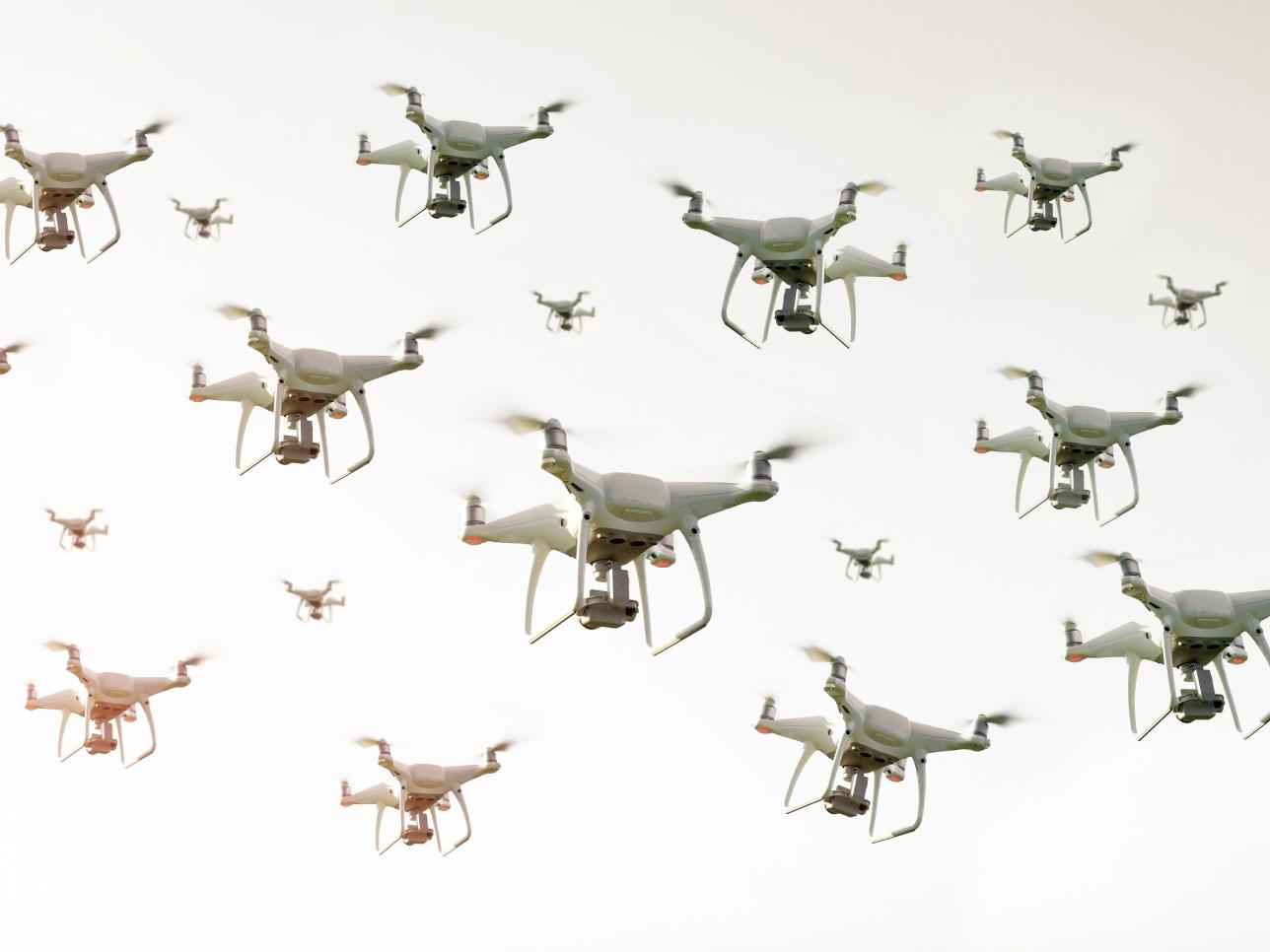
Where it isn’t feasible – or, indeed, safe – for an officer to be in a particular position, technology can extend that reach. Prominent surveillance cameras, sensors, robotics or drones add visible protection in the places a given individual cannot easily cover.
None of this replaces officers, though. Technology simply supports them and stands in only where a human presence isn’t deemed practical. If you have the deterrence right, many problems are stopped in their tracks before they escalate. In some instances, the next two steps will need to come into play.
Identify: detecting a threat
Identify is the ‘eyes and ears’ of the operation. Monitoring systems, surveillance cameras, intelligence, reporting and the security officer presence all exist to recognise a threat, vulnerability or incident as early as possible. The aim is simple: to be the first to know something’s wrong, never the last. Those few minutes of early warning buy valuable time to make proportionate decisions before a situation runs away with itself.
For a number of organisations, monitoring is managed through their own on-site Control Room, with specialist security providers able to support and enhance these operations. Where an organisation doesn’t have its own Control Room, monitoring can instead be managed through an off-site monitoring centre such as Corps Monitoring’s National Security Inspectorate Gold-accredited Alarm Receiving Centre (ARC).
ARCs can issue a Unique Reference Number to sites in order to enable a quicker blue light Emergency Service response when needed. Corps Monitoring Centre-focused capabilities can also complement clients’ existing Control Room operations, providing additional resilience and specialist support where needed.
Identify is where the relationship between people and technology is clearest. A sensor is, in truth, less likely to miss things than a human. This is not because people are not capable, but rather because the sensor’s sole job is to ‘watch’, while an officer on a long shift will often have different demands competing for their attention. A camera or a quadruped’s keen eye will spot a cut fence more reliably as it compares what it’s currently seeing to the last time that exact area was inspected.
Done well, this technology also cuts the noise, verifying alarms so that a genuine event receives a fast response and a false one doesn’t drain the resource for which you’re paying. This enables security officers to focus on higher-value, people-focused work, such as identifying subtle changes in behaviour, welcoming and assisting visitors and anticipating clients’ needs before they have to ask. It allows security officers to spend more time where their human judgement, presence and interaction can make the greatest difference.
It’s important to bear in mind that identifying something isn’t the same as deciding what it means. Technology is very good at flagging an issue, but cannot always provide the correct judgement. What it flags may or may not be a real threat. That key differentiator is where Treat begins.
Treat: escalating and managing incidents
Treat is the co-ordinated action taken to reduce, manage or otherwise eliminate risk. This could be risk-rated escalation, deploying resources, adding controls or managing an incident through to recovery. That means drawing every element together: the monitoring, the presence and the intelligence so the right people are informed and the right intervention is deployed at the right time.
The most important factor here is that the final judgement always comes back to a person. Technology can flag a situation early and even act on one. A drone can go and look so an officer doesn’t have to, keeping them out of harm's way rather than sending them in blind. Deciding what a situation means, and what to do about it, has to be a human-centred equation. That’s the critical part the industry must not lose.
Deter, Identify and Treat are the sharp end of an integrated model: the prevention method, the ‘eyes and ears’ and the co-ordinated action that follows. All three work only because a given individual remains at the centre.
In the final article of this four-part series, attentions will turn towards why the whole model holds together and examine who it’s aimed at in practice.
Paul Lotter is Chief Operating Officer of Corps Security (www.corpssecurity.co.uk)
*Part One Integrated Security: It’s time to AUDIT
*Part Two Assess and Understand: Building the Foundations for Effective Security
Western Business Media Limited
Dorset House
64 High Street
East Grinstead
RH19 3DE
UNITED KINGDOM