Brian Sims
Editor
Brian Sims
Editor

IN THE first instalment of an exclusive four-part series for Security Matters. Paul Lotter introduces the integrated security model and explains precisely why the moment for its adoption has finally arrived.
For years, our industry has talked about ‘integrated security’ without ever quite delivering it. The idea always made sense: bringing security guarding, monitoring, intelligence and innovation together instead of buying each one separately. Now there are two compelling reasons to drive this change.
The first is cost. Over the last five years, wages have risen between 30% and 40%, while more than 90% of a typical security guarding contract is wage-related. That leaves little room for manoeuvre. You cannot squeeze meaningful savings from a margin that’s not there. Trying to do so usually means compromising standards: buying less security rather than better.
The second is capability. Monitoring, Artificial Intelligence (AI) and robotics have matured to the point where technology is no longer a single-use bolt-on. Five years ago, technology was added to a model. Today, cameras, sensors, robotics and monitoring are designed into a single solution. As capability has increased, cost has also fallen.
Put those forces together and integration stops being a nice idea and becomes the sensible one. This is not only about technical integration, but also about combining new technologies with traditional physical security provision and supporting security teams on the ground with information and systems that make delivery safer, faster and more resilient.
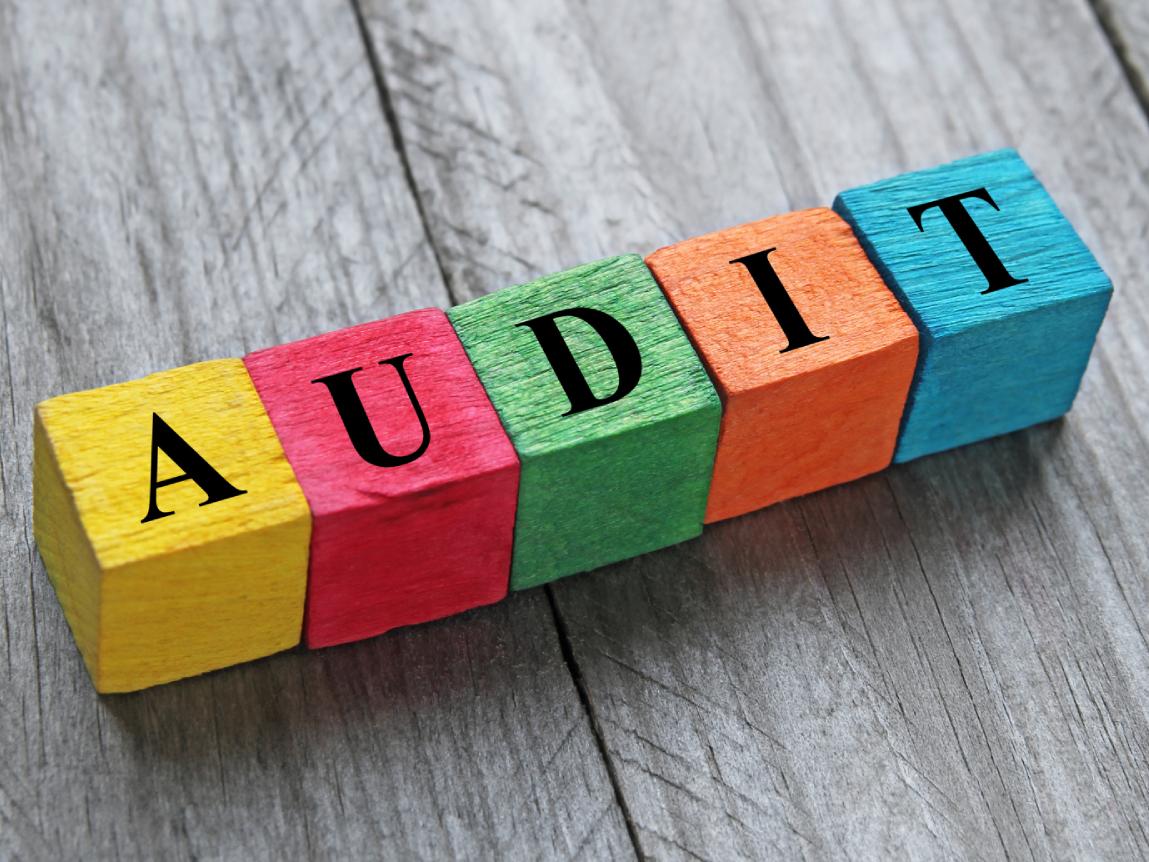
Five steps to AUDIT
That’s what our own integrated security model is built to deliver. It rests on five steps: Assess, Understand, Deter, Identify and Treat (AUDIT).
Assess comes first on the basis that you cannot choose the right solution before you’ve properly evaluated the problem. It’s the foundation upon which the rest of the integrated model is built, providing an evidence-based picture of where an organisation currently stands: its critical assets, the protection already in place and where it’s most exposed.
In essence, this is the measurement stage: auditing what exists today and setting the baseline against which every later decision is judged.
Understand is about the landscape beyond the organisation’s own walls. Assess measures where you stand, while Understand interprets what you are up against: the specific threats, vulnerabilities, location and operating environment that shape your risk.
By working out what needs protecting and from whom, an organisation can make informed decisions about the measures that are genuinely required.
Deter is about influencing behaviour before an incident occurs. Through visible security measures, professional personnel, effective access control and a strong security culture, organisations can discourage unwanted activity and reduce the likelihood of becoming a target. Effective deterrence works by increasing perceived risk and reducing perceived opportunity.
Identify is the ‘eyes and ears’ of the operation. Monitoring systems, surveillance cameras, intelligence, reporting mechanisms and escalation processes recognise threats, vulnerabilities or incidents as early as possible. The objective is simple: to be the first to know when something’s wrong, thereby allowing decisions to be made before escalation.
Treat is the co-ordinated action taken to reduce, manage or otherwise eliminate risk. This may involve risk-rated escalation, resource deployment, additional controls or managing an incident through recovery. Crucially, treatment is not simply about responding to events; it’s about applying the right intervention at the right time, supported by informed decision-making and human judgement.
That last point matters more than any single piece of technology as the thread running through this new series is people. AI and robotics don’t replace security officers. They free them up, sharpen their judgement and take them out of harm’s way. In almost all cases, the final decision should be made by a human.
Delivering value
Modern security technology delivers value beyond preventing crime. Data from surveillance cameras, access control and remote monitoring solutions can provide operational insights, improve fire safety compliance, support facilities management through Building Management Systems, enable drone inspections and enhance lone worker protection.
This reframes a stubborn challenge in our sector: security as a grudge spend. When security works well, nobody notices it. We’ve witnessed a site remove security patrols after two years without a single incident, only to experience a break-in within three months that cost the company close to £500,000. The absence of incidents was the system working, not proof that security was unnecessary.
This doesn’t mean resisting change or cost savings. Rather, it means being honest about where savings originate. A proper security review can identify opportunities for introducing technology, repurposing security officers into more valuable roles and enhancing protection. Put simply, the threat landscape has shifted and and security solutions need to evolve with it.
In due course, this series will explore each part of the integrated method, beginning with Assess and Understand, then moving on to Deter, Identify and Treat ahead of examining why the model works and focusing on its target audience.
Paul Lotter is Chief Operating Officer of Corps Security (www.corpssecurity.co.uk)
Market House
85 Cowcross Street
LONDON
EC1M 6PF
UNITED KINGDOM
0800 0286 303