Brian Sims
Editor
Brian Sims
Editor

THE POLICE and the intelligence agencies are now better equipped to protect the public from individuals and groups carrying out hostile activity for foreign states, including their proxies, as new powers become law.
Receiving Royal Assent on 8 July, the landmark National Security (State Threats) Bill delivers on the Government’s commitment to bring in new proscription-like powers to protect against state threats and its promise to fast-track legislation after the recent wave of abhorrent antisemitic attacks.
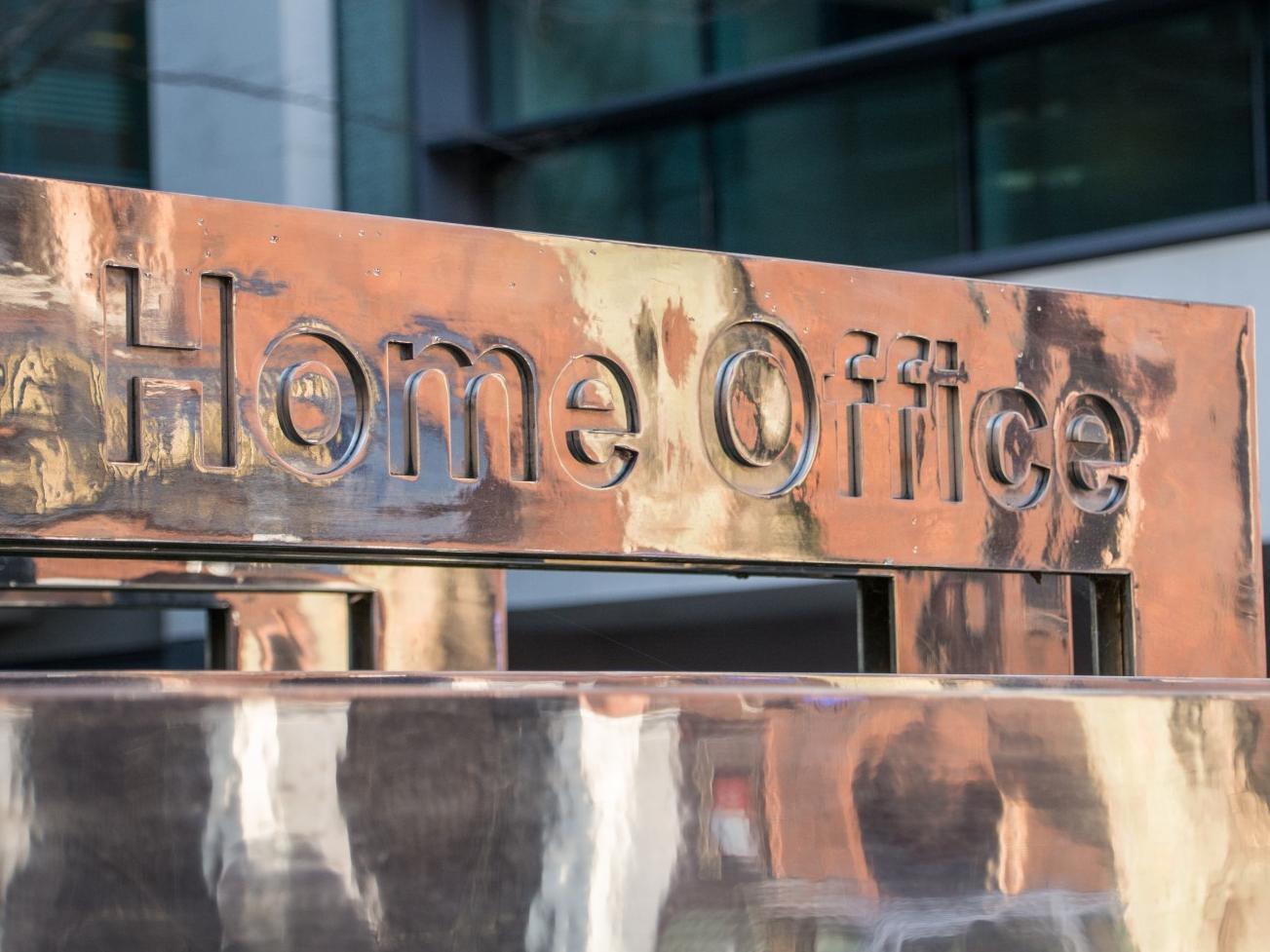
The Home Secretary has been given new counter-terrorism style powers to target groups working at the behest of – or in the interests of – foreign states to carry out acts which threaten the UK’s security and the safety of communities across the country. This could include attacks against particular communities, the targeting of dissidents on UK soil or cyber attacks perpetrated on Critical National Infrastructure.
Foreign state organisations and state-linked groups involved in this activity can now be designated by the Home Secretary. This gives the police and the intelligence agencies stronger tools and powers to disrupt and deter those working on their behalf.
If Home Secretary Shabana Mahmood judges it necessary to designate a body, she will do so without delay, as soon as is practicably possible.
Decisive action
“Keeping our country and communities safe is the first duty of any Government,” affirmed Mahmood. “That’s why we’ve taken decisive action to deal with the growing threat posed by aggressive foreign states. Under these new powers, we’re going further to dismantle and deter hostile activity. This Act of Parliament affords the police and the intelligence agencies the tools they need to pursue foreign powers and their proxies, while better protecting our communities, institutions and democratic values.”
Sir Ken McCallum, director general of MI5, explained: “The UK is under threat from state actors intent on doing us harm, including by using thuggish tactics like arson, sabotage and physical violence to target people and businesses and disrupt our way of life.”
McCallum continued: “Building on the important powers in the National Security Act 2023, which are already being heavily used, this legislation introduces new measures which will help us to tackle the growing threat from proxy organisations. Increasingly, these are being used by states attempting to target the UK.”
Assistant Commissioner Laurence Taylor, head of Counter Terrorism Policing, commented: “This new legislation is vital for the safety and security of the UK and, above all, protecting the public. We continue to see reckless and dangerous acts carried out on the streets of the UK by hostile states and their network of proxies. This legislation presents more options for Counter Terrorism Policing and our partners to take action against those who want to harm our communities, our society and our way of life.”
Criminal offence
It’s now a criminal offence to express support for a designated organisation, meaning that those who glorify and encourage their malign activity will face prosecution.
It’s also now an offence to assist or receive payment from a designated organisation, ensuring that foreign states who seek to hide their involvement in hostile activity behind proxy groups, such as organised crime gangs and front companies, will find it far more difficult to do so.
These offences build on the National Security Act 2023, enabling proxy groups, when designated, to be treated in the same way as foreign intelligence services such that their harmful acts can be disrupted.
Where engagement with designated groups is required for diplomatic or humanitarian purposes, or where charity workers or journalists have a reasonable excuse for receiving information from such groups, this will remain lawful.
The new measures bolster the UK’s defences to keep pace with the growing scale and complexity of threats from foreign states, with more threats to life and increased use of proxy groups to hide their tracks. They will make it easier to bring prosecutions and send a clear message that convicted perpetrators will be handed punishments matching the gravity of their actions, with anyone convicted under these new offences facing up to 14 years behind bars.
National security
The passing of the National Security Act 2023 comprehensively strengthened the UK’s national security, giving the police and intelligence agencies extensive new tools to detect and disrupt hostile activity and modern offences to bring perpetrators to justice.
This has already led to a number of charges and subsequent convictions, including Russia’s proxies Dylan Earl and Jake Reeves for their role in an arson attack on a warehouse in East London, and Peter Wai and Chung Biu Yuen for their targeting of Hong Kongers in the UK.
Western Business Media Limited
Dorset House
64 High Street
East Grinstead
RH19 3DE
UNITED KINGDOM