Brian Sims
Editor
Brian Sims
Editor

WHY TALK about Security Operations Centres (SOCs) on International Women’s Day? As Vicki Beynon explains, the skills that make a SOC thrive mirror the strengths many women bring in abundance. What’s more, the security sector now has a significant opportunity to better recognise and leverage that expertise.

Security Operations Centres (SOCs) are the strategic command hubs where advanced technology, specialist expertise and timely decision‑making come together to safeguard organisations. After many years of working within the security industry, one particular truism has come to the fore: behind every alert and every camera feed, it’s human instinct that really makes the difference.
Information comes at you from every direction: alarms, lone worker alerts, access control events, customer calls and live surveillance. It’s non-stop. It’s demanding. It only works because of the people sitting at that desk, making smart decisions in real-time.
The security industry overall remains heavily male‑dominated, with only around 11% of the workforce being female. That’s according to the private security industry’s regulator, namely the Security Industry Authority.
Inside our own SOCs at Securitas UK, that picture looks very different. Across my teams, women account for around 40% of our workforce. That’s not because we set out to hit a certain percentage, but rather due to the fact that we hire for capability, potential and mindset.
The SOC: what does it entail?
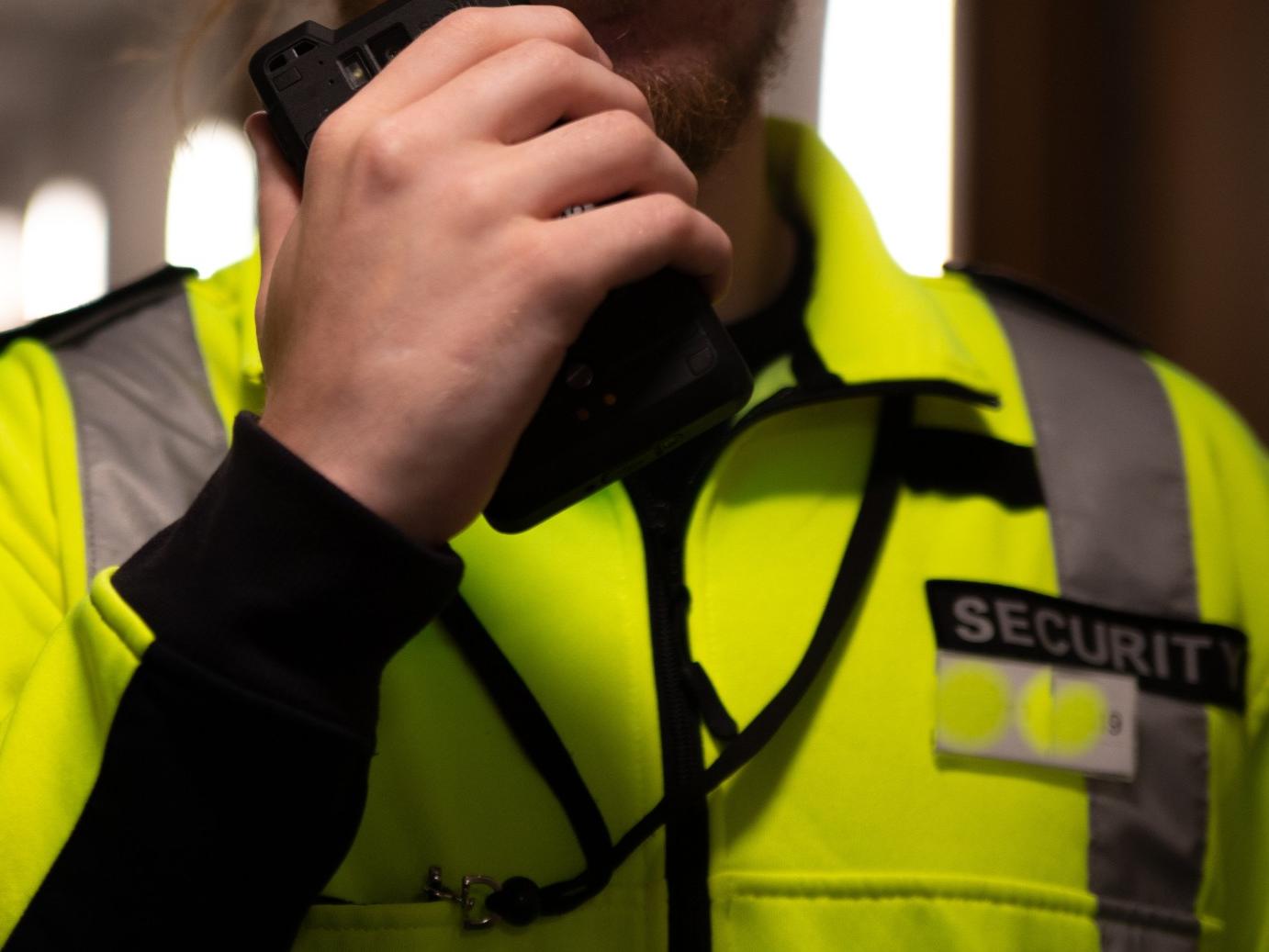
From the outside, SOCs may evoke images of walls lined with multiple screens, but the reality is far more dynamic. They’re intelligence‑driven hubs where advanced technology and skilled professionals work in real-time to protect operations and where critical human judgement under pressure remains essential. In any typical shift, a given SOC operator might be:
*triaging multiple alerts from a fire alarm to a temperature spike or an intruder alert.
*co-ordinating with on‑site teams and the Emergency Services
*safeguarding a lone worker who’s triggered an alarm
*verifying whether an access control anomaly is a system failure or an insider threat
*writing incident reports
*managing clients’ customer calls outside regular business hours
All of this is delivered with exceptional composure. The people who excel here are those who remain calm under pressure, always remain highly observant and bring a human touch to every decision.
What women bring to the SOC
Technology gives us early insight, but it’s people who notice the small and often unspoken cues that guide the right action in critical moments. It’s here that women’s strengths truly shine. That’s something we see every day across our own SOCs.
Situational awareness and pattern recognition
In a SOC, operators will see thousands of routine movements. The tiny stuff – a slight change in timing, someone behaving a bit differently or something that just feels ‘off’ – is often what turns into risk. Research shows that women often read nonverbal cues with higher accuracy, which is a huge advantage in an environment like this.
Calm communication
Clear and steady communication makes a massive difference in a SOC, most notably so when you’re calming down a worried lone worker, talking a responder through what’s happening or keeping a client in the loop during an incident. Many women naturally lean into communication styles, like using more detailed language, that help things run smoother. Being clear, being supportive and keeping everyone connected.
Empathy‑led decision‑making
A significant number of security incidents involve individuals who are frightened, confused or unintentionally in the wrong place at the wrong time. When you lead with empathy, you make decisions that are calmer, safer and more proportionate – the foundation of effective safeguarding.
Many women bring exceptional strengths in this space, enriching how teams respond in critical moments. Research supports this, too. A study conducted by the University of Cambridge found that women consistently scored higher than men on the ‘Reading the Mind in the Eyes’ test (a measure of how well someone can read another person’s emotions).
Coaching and collaborative leadership
Great SOCs run on people supporting one another. Many women help foster the kind of environment where teams feel safe to speak up, share mistakes and learn quickly (the very behaviours that prevent near misses from becoming incidents).
Analysis finds female leaders demonstrate more transformational leadership styles. When people feel included and supported, engagement rises, retention improves and team performance strengthens.
Why now (and why women are central to the future of SOCs)
SOCs are expanding rapidly as more businesses adopt advanced technology and security and safety systems that require expert and proactive monitoring to stay secure. That increases the pressure on those making critical decisions.
In order to stay one step ahead, we must focus on continuing to nurture diversity by empowering women to step into analyst, supervisor and leadership positions.
That shift starts with hiring for capability rather than relying on narrow CV buzzwords. In addition, it means writing job adverts and designing shift patterns that more people can realistically step into when the time arrives.
Visibility matters, too. Clear progression routes and pathways into leadership help women see a place for themselves within the SOC.
On International Women’s Day 2026, this is the point I hope resonates most; if you’re exploring a future in this field, there is a place for you. If you’re already leading, make that place visible, make it viable and turn it into a pathway to leadership for others.
Vicki Beynon is Director of Security Operations Centres at Securitas UK
*Further information is available online at www.securitas.uk/com
Western Business Media Limited
Dorset House
64 High Street
East Grinstead
RH19 3DE
UNITED KINGDOM