Brian Sims
Editor
Brian Sims
Editor

FACILITIES MANAGERS are responsible for more than buildings and maintenance, writes Kristian Carter. They are increasingly on the front line of protecting sensitive information. Ensuring confidential materials are destroyed securely and in line with legislation is now a critical part of operational risk management.
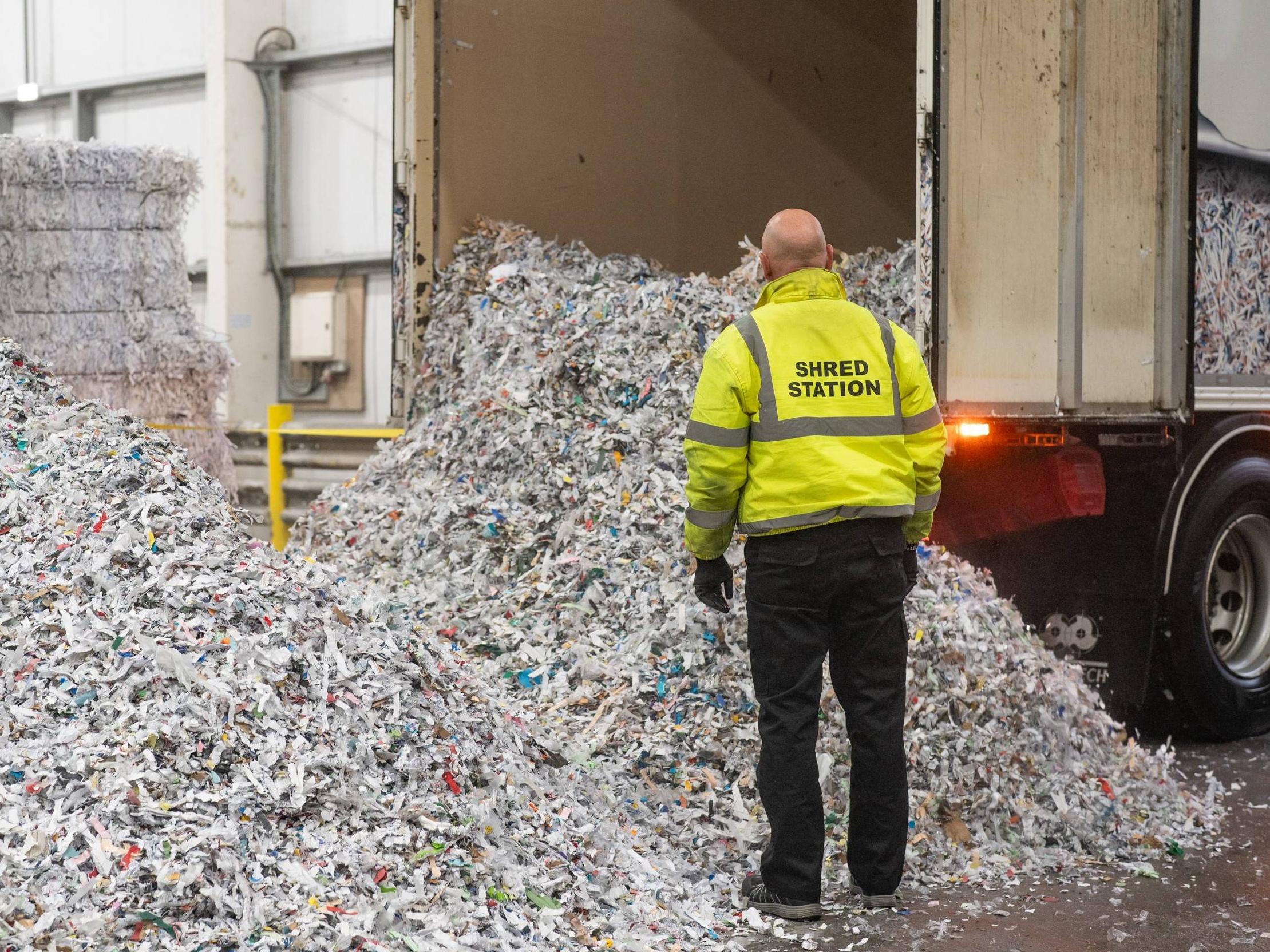
With the UK’s General Data Protection Regulation (GDPR) and the Data Protection Act placing strict responsibilities on organisations that handle personal or sensitive information, secure destruction should not be an afterthought.
Organisations remain responsible for data throughout its entire lifecycle, including its disposal. From personnel files through to hard drives and other data storage devices, organisations generate vast quantities of confidential material every day. However, many businesses still overlook what happens when that information is no longer needed.
On that note, a 2023 YouGov report, commissioned by the British Security Industry Association (BSIA), found that 19% of small businesses, 8% of medium-sized businesses and 3% of large businesses surveyed had no paper waste stream in place for confidential paperwork.
Failure to manage confidential waste correctly can have serious consequences. Non-compliance can result in penalties, reputational damage and loss of customer trust. For facilities managers tasked with overseeing operational risks within their organisations, this makes secure information destruction a critical part of information governance and data protection compliance.
Despite many organisations still not having secure waste streams in place for confidential materials, industry research has shown that procurement decision-makers increasingly recognise the importance of selecting trusted and accredited suppliers when outsourcing confidential waste destruction. Businesses want reassurance that their suppliers can demonstrate compliance with data protection regulations and operate in line with strict industry standards.
Why professional information destruction matters
Outsourcing to a professional information destruction solutions provider offers several advantages compared with in-house shredding. Specialist companies use secure collection procedures, controlled transport, monitored destruction processes and detailed audit trails. This ensures that confidential materials remain protected from collection through to final destruction.
Professional providers can also supply documentation such as Certificates of Destruction and Duty of Care records. These documents support your company’s audit trail and demonstrate your GDPR-compliant information disposal.
The most important benchmark for secure information destruction is BS EN 15713. This European standard sets out holistic Best Practice guidance for the destruction of confidential material.
BS EN 15713 is so important because it doesn’t just consider particle sizes of shredded materials. It also covers the entire destruction lifecycle, including collection, transportation, processing methods, staff vetting and the final disposal of materials. Operating in line with the standard ensures information is protected from Point A to Point B, not just at the finish line.
For those organisations seeking assurance that their confidential materials are handled securely, working with providers that comply with BS EN 15713 offers an important level of confidence.
Why choose a BSIA Information Destruction Section member?
The BSIA’s Information Destruction Section brings together specialist providers who operate to the highest industry standards. Members adhere to BS EN 15713 and follow a strict Code of Ethics governing security practices, customer service and environmental responsibility.
For facilities managers, partnering with a BSIA Information Destruction Section member helps to reduce risk, demonstrates compliance and provides peace of mind that sensitive materials will not fall into the wrong hands.
Environmental responsibility is also becoming an increasingly important consideration when disposing of confidential materials. The shredding industry plays a significant role in the UK’s recycling infrastructure. Materials such as paper, metals and electronic components can often be recovered and recycled after secure destruction, reducing waste and conserving resources.
By working with a professional information destruction services provider, facilities managers can ensure that confidential waste is handled securely, while also supporting broader environmental goals.
Kristian Carter is Chair of the BSIA’s Information Destruction Section and Commercial Director at Shred Station
*Further information is available online at www.bsia.co.uk
Western Business Media Limited
Dorset House
64 High Street
East Grinstead
RH19 3DE
UNITED KINGDOM