Brian Sims
Editor
Brian Sims
Editor

FORENSIC SCIENCE in England and Wales isn’t working. Not for the police, not for forensic scientists or lawyers and, ultimately, it’s not working for the public and the criminal justice system. This stark assessment, expressed by eminent forensic scientist Professor Angela Gallop, has been reinforced by the House of Lords Science and Technology Committee’s latest report.
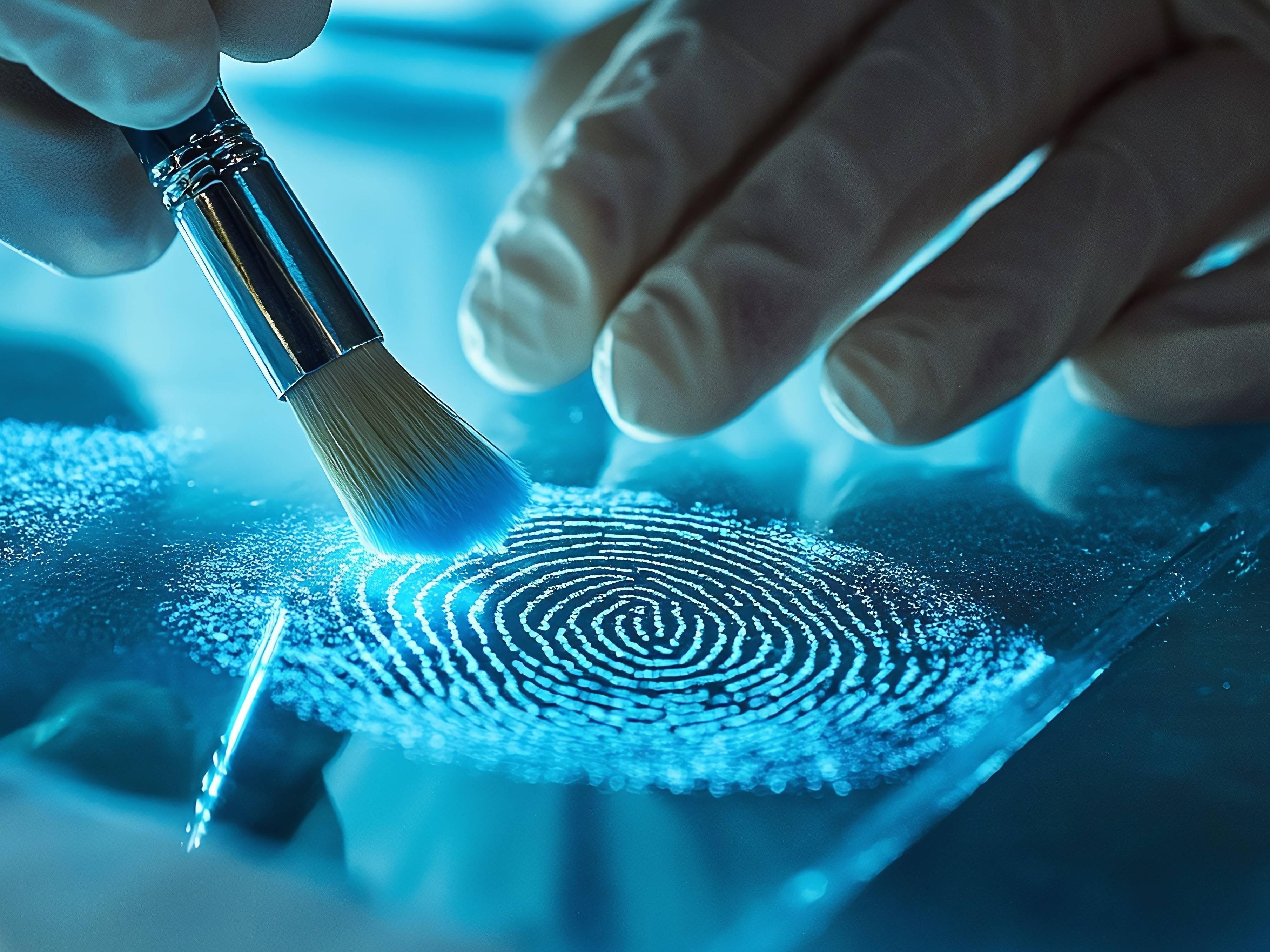
That 82-page document (entitled ‘Rebuilding Forensic Science for Criminal Justice: An Urgent Need’) reveals “a forensic science system in crisis”, a “near-monopolised, dysfunctional and fragile” commercial market, “inconsistent and poorly overseen” in-house police provision and a digital forensics backlog exceeding 20,000 devices that has “barely improved” for years. Even Government ministers admit the system desperately needs reform.
The Science and Technology Committee is calling on the Government to act immediately rather than wait for the outcome of long and uncertain changes recently announced in the Policing Reform White Paper. Its constituent members recommend the creation this year of a National Institute for Forensic Science to oversee Best Practice, drive R&D and preserve specialist forensic skills, while in parallel helping to ensure the independence of forensic evidence and prevent miscarriages of justice.
Key recommendations
The House of Lords Committee has outlined a range of conclusions and made a series of core recommendations.
Over 80% of external forensic services are now provided by a single large company (ie Eurofins). Such a status quo “comes with risks”: for the range and quality of service provision, the stability of forensic science in the UK should Eurofins exit the market and for the Forensic Science Regulator (who may well be unwilling to impose sanctions on a near-monopoly provider).
The Science and Technology Committee feels the Government should assess the concentration risks in the market due to this near-monopoly, introduce measures designed to stabilise the existing provision, lower barriers to entry for new providers and, further, ensure that contracts from police forces (or a national police service) pay a fair price to the appointed providers.
When it comes to the in-house police provision of forensic science and the “lack of independence”, the Committee observes that the increase of forensic science services being carried out by police forces “raises serious concerns” about oversight, quality, transparency and inconsistency across the 43 police forces in England and Wales. Ministers acknowledge they currently have limited visibility over national capacity, quality or spending. In-house provision by the police “also risks unconscious bias” in terms of how any evidence is analysed.
The specialist House of Lords Committee argues that any new national service must be established as a priority and operate independently from the police. It suggests learning from the Scottish model, wherein a “sterile corridor” is maintained between forensics analysis and police investigations in order to maintain impartiality.
Fragmented evidence storage
The current fragmented national approach adopted towards evidence storage is “a severe risk” to the criminal justice system. Since the closure of the Forensic Science Service back in 2012, responsibility for storing forensic evidence is now dispersed across 43 police forces and multiple forensic service providers, in turn producing “inconsistent” practice and standards, including loss and the “improper storage” of exhibits. This can lead to the collapse of criminal prosecutions and risks preventing re-testing and appeals.
The Science and Technology Committee observes that the burden of long-term evidence retention and storage should be taken away from the police and handed to an independent national storage capacity.
There’s also “grave concern” about equality of arms for forensic science in the courtroom. The defence community of forensic experts is “underfunded, fragmented, varying in quality, small in scale and faces significant administrative and financial barriers” in terms of taking part in many trials. Rates of pay for defence experts are lower than those for the prosecution.
This community plays a vital role in ensuring that justice is done, but it’s being “allowed” to wither away, thereby risking miscarriages of justice.
Among other recommendations, the House of Lords Committee suggests that the Ministry of Justice should review the legal aid rates that can be paid to forensic experts for the defence.
Loss of skills
Specialisms such as fibre and footprint analysis are now “at severe risk”. This is largely because changing police practices have reduced demand to “commercially unsustainable” levels. Professor Gallop has cited the murder of Stephen Lawrence and the ‘coastal path murders’ as particular cases where these specialist disciplines were necessary for a solution. “We would never have solved those [cases] without textile fibres.”
The Science and Technology Committee notes that the proposed forensic science reform must result in a credible plan to preserve these disciplines.
Finally, digital forensics continues to be “a growing area” of concern. The Committee highlighted the volume of such evidence (and the forensic science sector’s ability to process, analyse and store it) within the pages of its 2019 report. The situation since then has “barely” improved, with backlogs still undermining timely justice and the threat of deepfaked evidence, which current methods cannot identify.
The House of Lords Committee proposes a programme of R&D in order to establish trusted Artificial Intelligence and digital tools that police forces can use to address the backlog.
“Creeping neglect”
Lord Mair, chair of the Science and Technology Committee, commented: “As the forensic science system continues to atrophy despite repeated warnings, creeping neglect is beginning to resemble a shocking abdication of responsibility by the Government and is a national scandal in the making. If this decline is allowed to continue, further miscarriages of justice are inevitable.”
Lord Mair continued: “We welcome the direction of travel in the recently announced White Paper for policing reform, which presents opportunities for change such as establishing a national forensic science service and rationalising the current complex patchwork of police forces. However, the details on how forensic science will operate within this new system – and, critically, how its independence from the police will be safeguarded – remain extremely vague, as do the timelines for implementing these changes.”
In conclusion, Lord Mair stated: “These necessary and long overdue reforms must not be allowed to be kicked into the long grass. The urgent need to address the issues our inquiry process has identified within the forensic science system, both now and as part of these wider reforms, is critical if we are to fix and rebuild what has become an increasingly dysfunctional pillar of criminal justice in England and Wales.”
Western Business Media Limited
Dorset House
64 High Street
East Grinstead
RH19 3DE
UNITED KINGDOM