Brian Sims
Editor
Brian Sims
Editor

ONVIF, WHOSE open standards make IP-based physical security products interoperable worldwide, has introduced the Release Candidate for Profile V: a draft standard for cloud-based video surveillance. Profile V extends the ONVIF brand-independent approach to the cloud, affording system integrators, consultants and end users alike a way in which to build cloud video systems that are not tied to a single vendor.

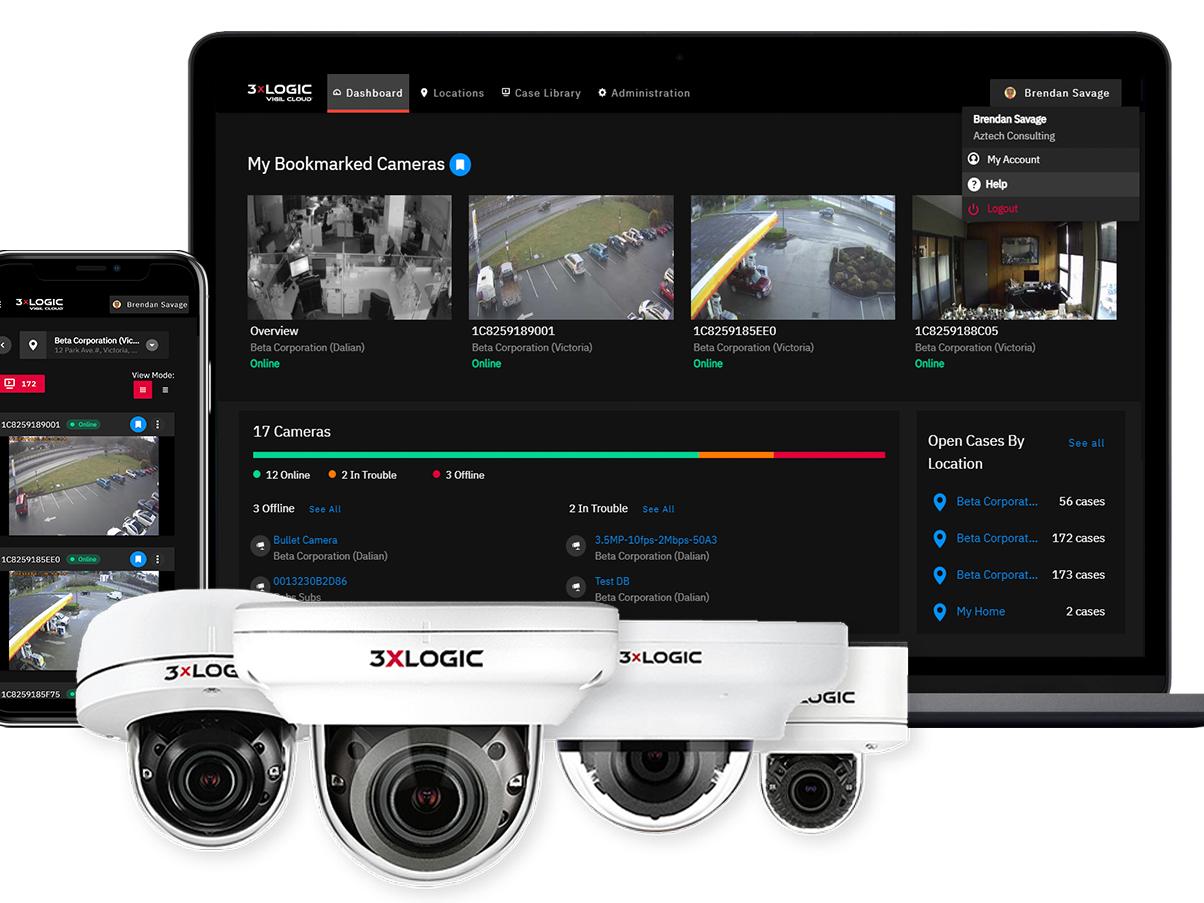
A cloud-based VMS reduces or replaces on-site hardware and runs video through a remote server. It minimises the need for local servers, simplifies maintenance, supports remote access from a web client and makes it easier to expand storage as a system grows.
Most cloud video surveillance systems today are proprietary, tying a customer’s cameras, video management software and recordings to a single provider. Profile V delivers those cloud benefits without the lock-in. Conformant products from different manufacturers work together, while any one of them can be replaced without redesigning the whole system.“
Standardising cloud video surveillance is a natural next step for ONVIF,” said Leo Levit, chair of ONVIF’s Board of Directors. “As more security systems move to the cloud, we want that shift to give customers more choice, not less. When the fundamentals are standardised, companies can build on top of them and customers can trust that what they invest in today will still work with what they choose tomorrow.”
Event notifications
Profile V enables a conformant cloud-based VMS to reach cameras behind a local firewall, typically without port forwarding or VPN configuration. The conformant device makes a secure outbound connection to the cloud VMS then streams live video and, if applicable, audio over WebRTC to an ONVIF client or an authorised standard web client.
The device can also send event notifications to the cloud VMS to take action. Video and audio are encrypted before they’re pushed to cloud storage, such as Amazon S3 or Microsoft Azure Blob Storage. Profile V can be combined with other ONVIF video and access control profiles for integrated or hybrid systems.
Security is built-in. Profile V conformant products must implement the ONVIF Profile V Security Add-On, which covers two areas: it uses the OAuth 2.0 framework so that only authorised devices, clients and cloud services can connect and exchange data, while it also encrypts recordings on their way to storage. ONVIF placed these requirements in an add-on instead of the Profile itself because an add-on can be updated to keep pace with evolving security requirements without rewriting the full Profile V specification.
Available for review
The draft Profile V specification is available now for review by ONVIF members. ONVIF expects to finalise it by the end of the year.
*A technical FAQ outlining the Profile V Release Candidate is available online
**For more information about ONVIF conformant products and member companies visit www.onvif.org
Western Business Media Limited
Dorset House
64 High Street
East Grinstead
RH19 3DE
UNITED KINGDOM