Brian Sims
Editor
Brian Sims
Editor

AS PART of the Government’s commitment to drive down crime and improve public safety, the Home Office has formally launched round four of the Safer Streets Fund. As announced in the Levelling Up White Paper, £150 million is available over the next three financial years for Police and Crime Commissioners and local authorities across England and Wales, as well as certain civil society organisations.
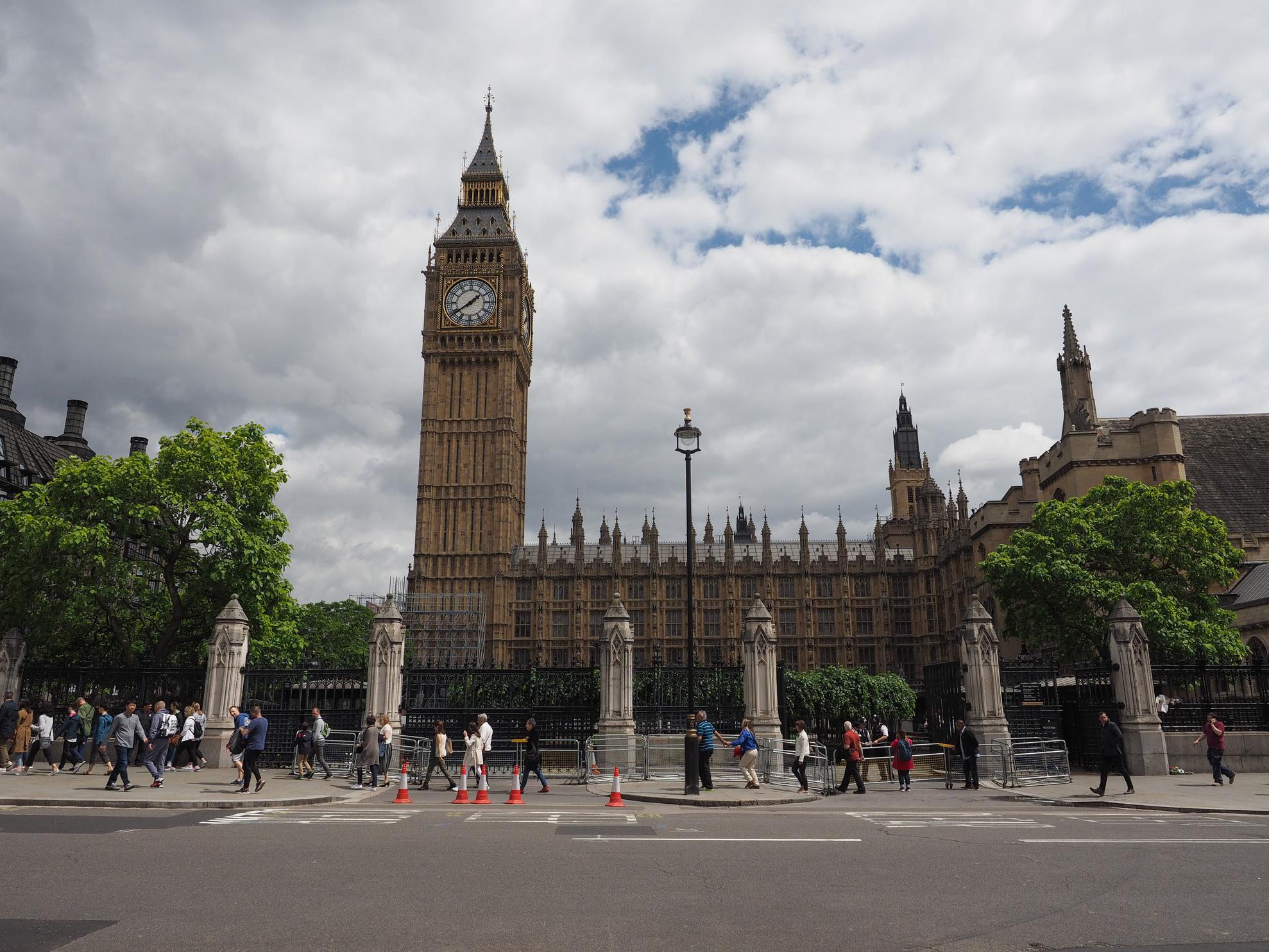
The Safer Streets Programme provides funding to areas most affected by crime and anti-social behaviour and will allow local authorities, civil society organisations and Police and Crime Commissioners to bid for up to £500,000 per year for each project. The latest round of the Safer Streets Fund targets neighbourhood crime, violence against women and girls and, for the first time, anti-social behaviour.
Projects from previous rounds of funding have made a huge impact on local communities. For example, in Northampton funding has improved security for thousands of homes that were vulnerable to burglary with alleyway gates installed to prevent an easy escape for offenders.
In Humberside, which is one of the most deprived areas in the country, money was allocated to improve communal entrances to prevent drug dealing, with units installed to prevent bike and motorbike theft. Funding was also used for youth activities such as football and boxing.
Beating hearts
Home Secretary Priti Patel commented: “Our local communities are the beating hearts of the UK and I want our streets to be safe for everyone to go about their daily lives without fear inflicted on them by criminals. The Safer Streets Fund improves the safety and security of areas blighted by crime and helps the police and local councils to ensure that everyone is safe on our streets, while going to the shops and seeing friends. It also prevents potential perpetrators committing such crimes in the first place so our communities are able to flourish.”
Kit Malthouse, the Crime, Policing and Probation Minister, added: “As well as being tough on criminals, we need to outsmart them where we can, preventing their crimes. The Safer Streets Fund does exactly that, affording neighbourhoods the money they need to ‘target harden’ their homes and streets, outfox the villains and making them think twice before they try to offend.”
Malthouse concluded: “We want everyone to feel safe in the public space and, as we build safer streets, town by town, I hope that we can restore pride, alongside safety, as something people say about where they live.”
Home security packs
Stephen Mold, the Police, Fire and Crime Commissioner for Northamptonshire, observed: “We have seen first-hand how important the Safer Streets Fund has been. We’ve issued thousands of home security packs to residents, installed new CCTV cameras across the county to deter criminal behaviour and erected alley gates to cut off anti-social behaviour. We’re also installing new doors to improve security at residential properties.”
Mold noted: “The Safety of Women at Night Fund has also helped us to launch our SNOvan for Safer Nights Out, as well as encouraging pubs, clubs and restaurants to take the Licensing Security and Vulnerability Initiative (Licensing SAVI) assessments in order to improve security at their venues.”
All of these schemes have been made possible thanks to Home Office funding which has totalled more than £2 million over the last 18 months, and which has had a hugely positive impact in Northamptonshire.
Some of the funding is also used to tackle violence against women and girls. In Sussex, for example, the authorities have invested in a number of programmes to improve safety for women including providing bystander training sessions to encourage members of the public to feel able to challenge inappropriate behaviour and support victims.
Neighbourhood Watch and CCTV
Other projects across the country have focused on setting up Neighbourhood Watch groups, increased CCTV and introducing wardens to undertake community engagement and training members of the public in crime prevention.
The Government has already committed £70 million to the Safer Streets Fund to support local areas across England and Wales such that they can introduce initiatives aimed at preventing crime from happening in the first place. The sum of £5 million has been invested into the aforementioned Safety of Women at Night Fund.
The Beating Crime Plan also set out the Government’s plans to keep communities safe, stop crimes happening in the first place and to keep serious offenders in prison for longer. The Beating Crime Plan also outlines the Government’s plan for tackling crime and anti-social behaviour with a commitment to working alongside local agencies and partners in a bid to employ the full powers and tools available.
Dorset House
64 High Street
East Grinstead
RH19 3DE
UNITED KINGDOM
01342 31 4300