Brian Sims
Editor
Brian Sims
Editor

FACIAL RECOGNITION technology that helps the police to catch thousands of dangerous criminals every year will now be subject to tough new safeguards designed to ensure that this technology is always used fairly and safely.
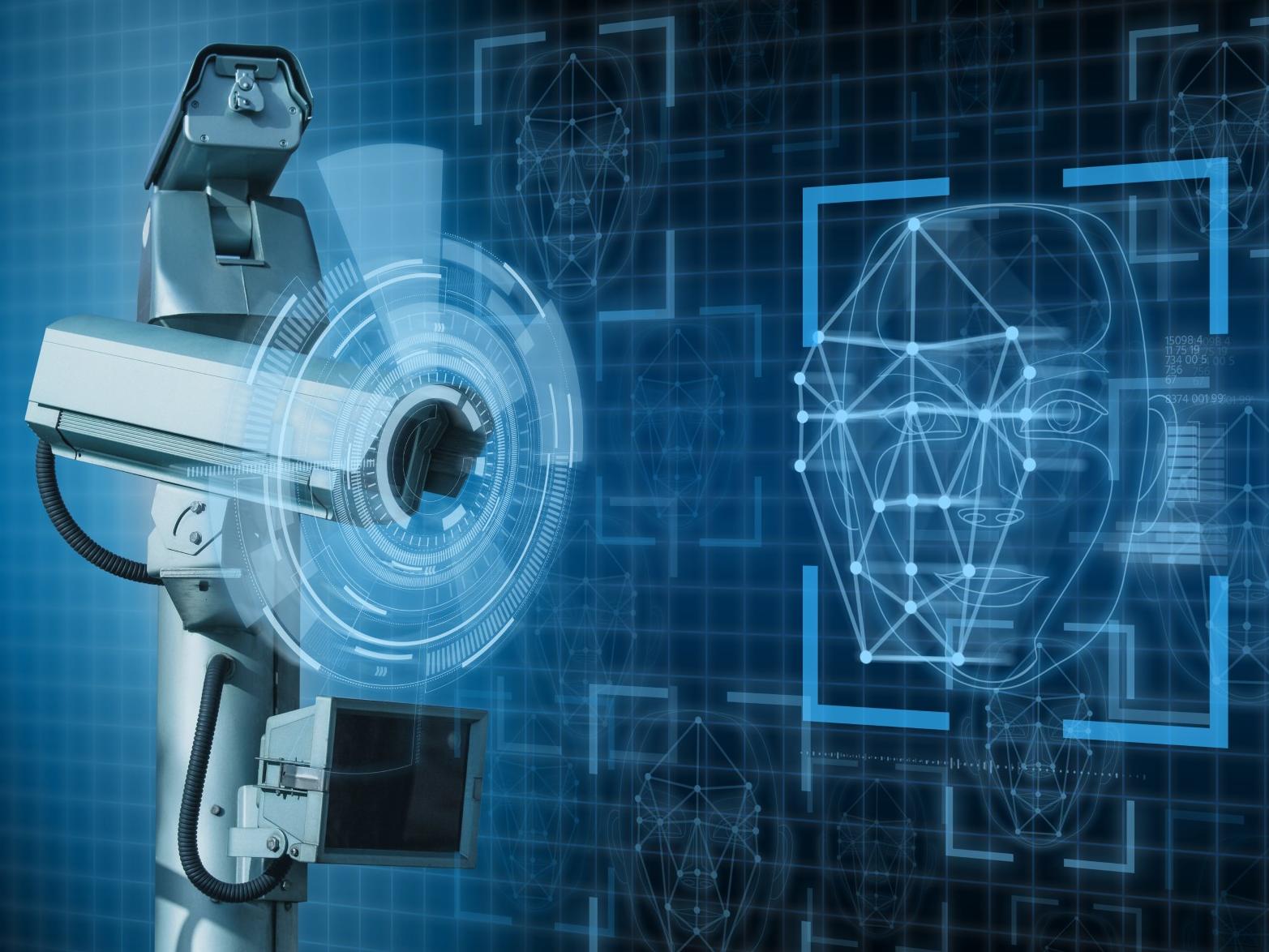
The Home Office has announced that an independent watchdog will be created to provide independent oversight of the police’s use of current and future technologies and could potentially stop forces from using them if they fail to comply. It will also be made clear that any technologies used by law enforcement must be rigorously and independently tested against bias or discrimination of age, gender or race.
In addition, a specific law will be introduced to make it clear that police use of facial recognition must be intelligence-led and proportionate such that it’s only used when officers believe wanted people could be present in a given area.
These changes follow on from a public consultation, which highlighted that, while there’s strong support for facial recognition technology’s use and effectiveness in catching offenders, there’s a need for stronger safeguards around the extent of its use.
Biggest breakthrough
Home Secretary Shabana Mahmood said: “Facial recognition technology has been the biggest breakthrough for catching criminals since DNA matching and is already helping police officers to take thousands of dangerous criminals off our streets. The benefits are clear, but we must ensure that its use is fair, safe and proportionate.”
Mahmood added: “It’s right we put in place clear laws to ensure that the use of this technology is watertight. The public can then have full confidence that these tools, which are vital to our safety, are always used responsibly.”
Static live facial recognition cameras piloted in Croydon between October 2025 and March this year led to 173 arrests. The Metropolitan Police Service reported a 10.5% drop in overall crime in the area against the previous year as well as a 21% decrease in offences linked to violence against women and girls.
Al Murray, director of PoliceAI, explained: “Facial recognition technology is one of a number of proven capabilities that can help policing work more effectively to keep the public safe. Used responsibly, technologies like this can help officers identify wanted offenders more quickly, make better use of available information and focus more time on protecting victims and communities.”
Murray continued: “The benefits of technology adoption are greatest when innovation is matched by strong safeguards, transparency and public accountability. We welcome the Government’s commitment to providing a clearer framework for the use of facial recognition, helping police forces to adopt technology consistently, responsibly and with the confidence of the public they serve.”
‘Patchwork’ system
While there are already legal requirements in place for facial recognition’s use, they’re set out across a vast ‘patchwork’ system and in need of a clear and consistent set of laws.
The new watchdog will advise on standards, provide scrutiny and make recommendations to ministers on emerging technologies and risks. In extreme cases where police forces fail to comply with the regulations, the watchdog can pursue enforcement action, which could see them handed a court injunction preventing them from using these technologies.
In consultation with this new regulator, the Government will develop a new legal Code of Practice for the police in order to set clear standards and rules by which all forces must abide.
In addition, a separate legal Code of Practice for the private sector will be developed to make sure that businesses (including shops) deploying facial recognition systems to tackle crime are using them responsibly and as a complement to law enforcement efforts.
The new measures follow in the wake of an £11 million investment to triple the number of live facial recognition vans available to police forces in England and Wales. This is part of the Government’s biggest reforms to policing in 200 years to help keep communities safe.
Massive step forward
Neil Basu QPM, former head of Counter Terrorism Policing, explained: “Live facial recognition is a massive step forward for law enforcement: a digital 21st Century step change in the tradition of fingerprints and DNA.”
Basu added: “Like all new technologies, live facial recognition had a difficult start and the consultation was absolutely necessary to ensure this new technology is going to be acceptable to the wider public.”
Further, Basu observed: “With a real police officer making the final decision a human one, and with the proper legal safeguards and independent oversight in place, I’ve no doubt that live facial recognition will catch many more criminals and make us all much safer.”
Dal Babu, former Chief Superintendent at the Metropolitan Police Service, responded: “Safe use of facial recognition is a valuable tool for effective policing. I’m pleased to see significant and meaningful engagement with the public to ensure public confidence in the technology’s ongoing use to protect communities and arrest criminals. I strongly welcome these commitments from the Government.”
The Home Office has independently tested a new algorithm for retrospective facial recognition proven to be highly accurate and without bias, which will be available for police forces to roll-out from next year. The algorithm used for the live facial recognition vans funded by the Government has already been independently tested.
Sue Daley OBE, director of tech and innovation at techUK, said: “Facial recognition is a powerful technology that offers real opportunities for law enforcement, but it’s right that the public’s concerns are properly addressed. As set out in our consultation response earlier this year, our members support clear and consistent regulation for this technology. This will be crucial to establish and maintain public support in the long-term. We look forward to continuing our work with the Home Office in order to make that happen.”
Response from Facewatch
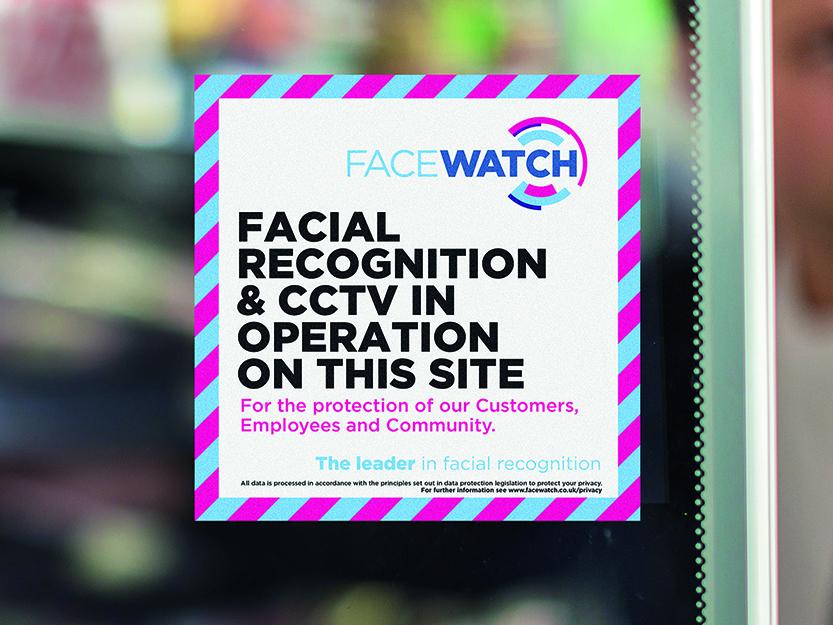
Commenting on the Government’s proposed new legal Code of Practice for the private sector’s use of facial recognition, Nick Fisher (CEO of Facewatch, the UK’s largest provider of the technology to retailers) observed: “We welcome this announcement and look forward to reviewing the details in due course. Facewatch has been hoping the Government would not create a regulatory gap between police and private sector use of facial recognition. This announcement allays those concerns.”
Fisher continued: “Clear rules, independent oversight and accountability are vital for public trust alongside recognising the technology’s role in preventing crime and protecting shop workers. We want the Government to set a high bar and hold every provider, including Facewatch, to it.”
Also commenting on the Government’s response to the facial recognition-focused public consultation, Big Brother Watch’s senior advocacy officer Jasleen Chaggar said: “The public has spoken loud and clear in the consultation, raising the alarm that facial recognition erodes our freedoms and privacy and is turning Britain into a surveillance state. It’s totally inadequate for the Home Office to respond with promises of Codes of Practice that offer little legal accountability if breached.”
Chaggar added: “The Home Office claims facial recognition is as powerful as fingerprinting and DNA, yet proposes far weaker legal protections for our facial biometric data, which is captured constantly as we move about. While planning a woefully weak framework for the future, the Government is already rolling-out a five-fold increase of live facial recognition cameras across the country, expanding this Orwellian mass surveillance in our train stations and allowing police to install permanent facial recognition cameras on our High Streets.”
Further, Chaggar noted: “Actions speak louder than words. The Government’s support for expanding mass surveillance software is clear. Rather than preserving the public’s protections against police intrusion, the Home Office’s response to this damning public consultation shows that they only plan to undercut them.”
Chaggar concluded: “We cannot accept the Government’s glacial pace on this issue as more innocent people are falsely accused of crimes they didn’t commit and our freedom to live without constantly identifying ourselves to the state is already being eroded. The Government admits that this technology is in need of tough new safeguards. The expansion of its use must be halted until such time that those safeguards are in place.”
Western Business Media Limited
Dorset House
64 High Street
East Grinstead
RH19 3DE
UNITED KINGDOM