Brian Sims
Editor
Brian Sims
Editor

OVER EIGHT-in-ten UK adults have encountered a scam in the last year as new research reveals a sharp rise in the number of people facing scam attempts nationwide. The Global Anti-Scam Alliance’s (GASA) State of Scams in the UK 2026 report, co-sponsored by fraud prevention service Cifas, finds that exposure to scams has climbed from 76% to 85% in just 12 months.
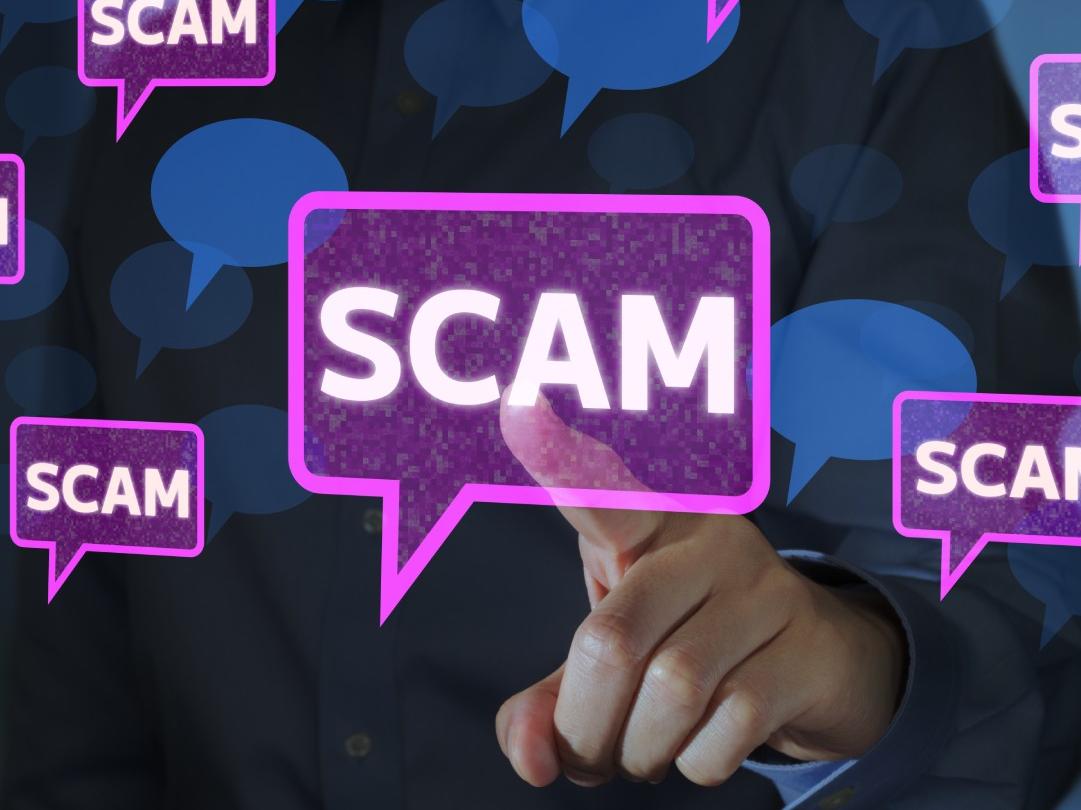
With Black Friday around the corner and an anticipation that more scams will arrive in consumer inboxes during the global sales event, the majority of UK consumers said they can comfortably spot red flags, but the reality tells a different story.
While 87% said they were ‘confident’ they could recognise a scam, 42% of those who encountered one still interacted with it, while more than one-in-five (22%) had money stolen after engaging. On average, victims each had £777 taken by scammers in the last year.
Behind the financial losses resides a much wider human cost. Nearly three-in-five (59%) victims said being scammed had a ‘significant’ or ‘moderate’ impact on their well-being, while 15% were pushed into taking on additional debt or loans in order to compensate for criminals stealing their money.
Additionally, UK victims were found to be less likely to report scams to authorities like the police, a financial regulator or a national reporting website – than their European counterparts. Just over one quarter (26%) said they alerted the authorities compared with 39% across Europe.
In contrast, nearly two-thirds (61%) of UK victims reported the scam to commercial organisations – such as their bank, mobile operator or anti-scam app – compared with 56% across Europe.
The research figures further reinforce the need for scam education to begin early as one-in-eight (12%) parents with children aged from 7 to 17 revealed that at least one of their children had already experienced a scam.
Collective action
Jorij Abraham, managing director at GASA, said: “The findings show that scam exposure is now a routine part of everyday life for most UK consumers. While many people believe they can spot a scam, several still engage with attempts and go on to have money stolen. Tackling this issue requires collective action to strengthen protections, raise awareness and disrupt the organised crime groups behind scams.”
Mike Haley, CEO of Cifas, added: “It’s hugely worrying to see so many parents say their child has already experienced a scam. Building scam awareness from a young age matters, but education alone cannot solve a problem that’s driven by industrial-scale criminality.”
Haley continued: “The situation demands collective action, not greater responsibility on individuals to outsmart increasingly sophisticated and organised criminals. Organisations must identify threats earlier, share data and intelligence more effectively and work together across sectors and borders to disrupt scams before they cause harm.”
In conclusion, Haley informed Security Matters: “Scams should not be accepted as an inevitable part of everyday life. We need to make it much harder for criminals to reach and exploit people in the first place.”
*Download copies of the State of Scams in the UK 2026 report
Western Business Media Limited
Dorset House
64 High Street
East Grinstead
RH19 3DE
UNITED KINGDOM