Brian Sims
Editor
Brian Sims
Editor

HELEN DEAKIN discusses in detail how access data can be used alongside existing facilities management records in order to identify patterns in site attendance, highlight unusual activity and provide greater insight in terms of how large and distributed estates are operating.
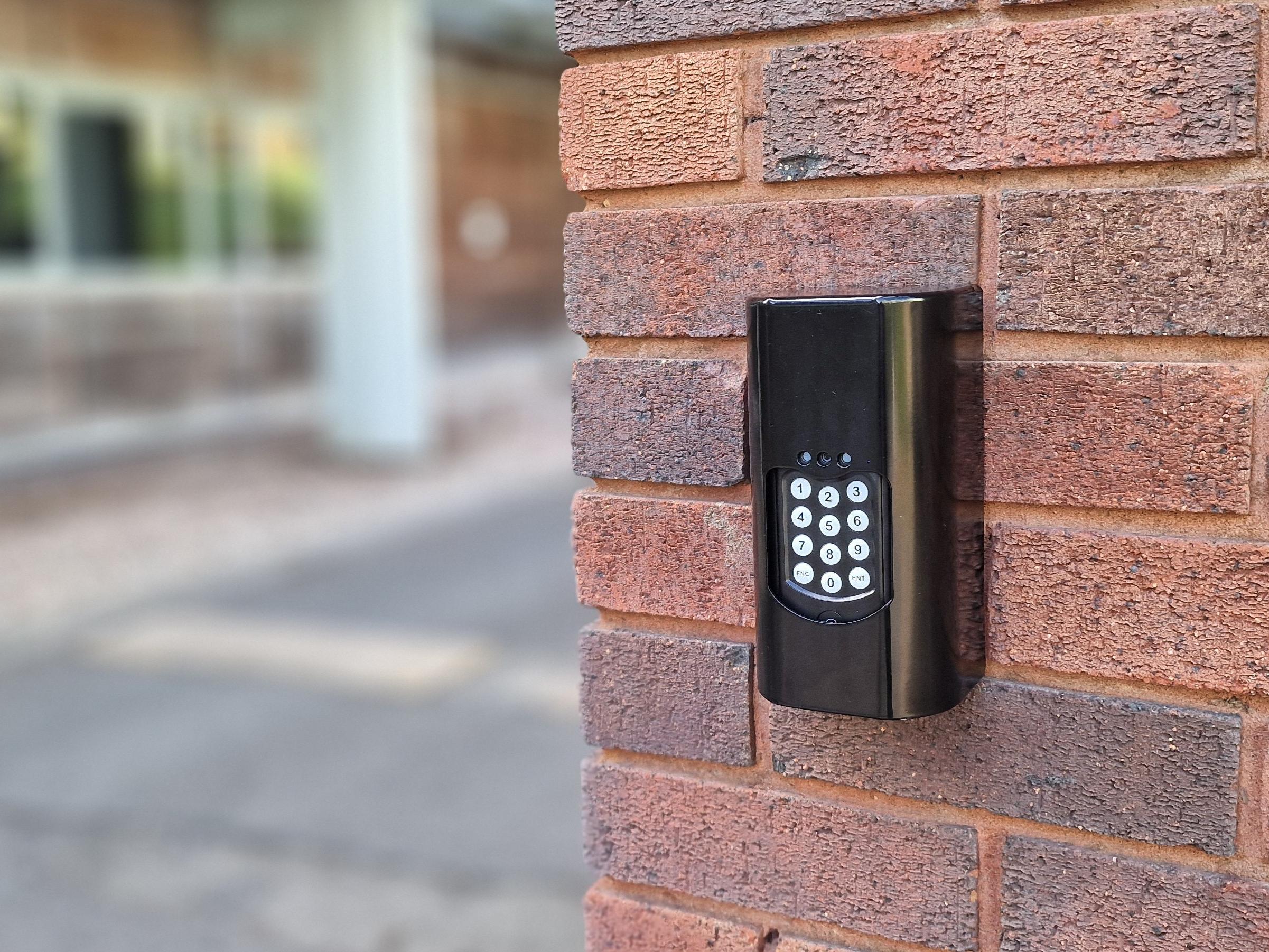
One of the recognised benefits of access control systems with digital event logging is the audit trail they create. Typically gathered for security purposes, these audit trails are used by organisations as a compliance record to identify who has accessed a given site and when should an issue arise.
Where access control extends beyond controlling visitor and staff access during normal working hours and is used for property access instead of traditional key holding arrangements, those audit trails can take on greater significance.
In these settings, access logs are created when security officers attend in response to an alarm, contractors visit sites after hours, cleaners arrive before the working day begins or inspectors visit void properties (to name just a few relevant occurrences).
Across a large estate, those individual events accumulate and yet the records generated by hundreds or even thousands of access transactions often remain simply a log of events, rarely used beyond their original security purpose.
However, what if organisations looked beyond individual access events and started concentrating instead on the patterns they reveal across an estate?
Different view of estate activity
There’s hardly a lack of data in the facilities management function. Security alarm logs, maintenance activity data, asset performance dashboards, Service Level Agreement scoreboards and sophisticated CAFM platforms all contribute to facilities management governance and performance oversight.
While these systems provide essential information on different areas of estate operation (from contractor job completion through to security incidents), access data can offer an additional perspective on site attendance, including where that activity is concentrated and whether unusual patterns are emerging across particular sites or regions.
Technology has significantly expanded the access data available to organisations. In fully digital access control systems, individual user credentials can provide direct access through electronic locks, allowing routine access without any reliance on conventional physical keys.
Gaining this level of visibility doesn’t necessarily require organisations to replace existing locks or access infrastructure. Hybrid solutions such as SentriGuard can introduce digitally managed and auditable access around existing physical keys, allowing organisations to start capturing access data, while at the same time retaining established systems.
For some organisations, this can support a phased approach towards wider digitalisation. For others, retaining existing physical locks, while introducing digital control and auditability around access, may simply be the preferred operating model.
Interesting patterns
Regardless of the access control system that’s being used, the real value for facilities management may emerge when individual transactions are viewed collectively across an estate.
At scale, it’s often the deviations from normal access patterns that warrant closer attention. Access patterns can reveal concentrations of access events and unusually high attendance rates that may or may not be explained by ongoing service provision. They might also highlight sites or regions receiving disproportionately high levels of external attendance, particularly so after normal working hours.
For example, if 200 broadly comparable sites typically generate five managed access events per week, while 20 sites within one region consistently generate ten each, the access data immediately highlights a regional concentration.
Viewed alongside contractor costs, work orders and other operational records, facilities management teams can then investigate whether the additional attendance is increasing costs and what’s driving the difference.
The explanation might be completely legitimate: a different operating model, refurbishment activity, equipment problems, increased security attendance or simply characteristics unique to the region. However, the pattern helps to identify such locations and may contribute towards operational planning.
Operational records
Access patterns become more meaningful when compared with the operational records behind them. A concentration of visits may correspond with reactive maintenance, refurbishment activity, increased alarm response or another known operational demand.
There can also be value where the records don’t align. For example, a contractor may be recorded as having attended a site after hours in the operational records, but there’s no corresponding event in the access logs. That discrepancy could warrant further investigation.
Timing can add another layer to the picture. Access records can also provide information on when attendance takes place and how long people are on-site. Individually, those time stamps can add context to a service record, but viewed collectively they can reveal broader patterns, such as changes in visit duration over time or differences in typical visit duration between sites and regions.
Further, introducing managed access for the first time around existing physical keys may uncover issues about which an organisation was previously unaware. For example, a lack of expected activity on the new system could prompt further investigation, which may reveal that more keys are in circulation than anticipated, with duplicates held by members of staff outside of any formal oversight. In this instance, the access data could help to expose an existing gap in key governance and a potential security risk.
The value resides in the comparison. Where access records reinforce, explain or otherwise contradict other operational information, they can help facilities management teams understand precisely what deserves closer attention.
Wider role
As more access activity becomes digitally recorded, its potential role within facilities management is likely to grow. Combined with other records, it could provide another layer of evidence when organisations review how different sites are operating and where physical intervention is most frequently required.
Over time, this could support more informed decisions around service models, contractor deployment and estate planning. Sites that appear similar on paper may show very different patterns of attendance, while changes in access activity could provide an early indication that something within the operating environment has shifted.
Access data is unlikely to become a primary measure of estate performance, but as facilities management continues to bring more operational information together, it may become an increasingly useful part of the evidence used to understand how an estate is actually functioning.
For those organisations managing large estates, the opportunity is not necessarily to collect more data, but instead to make better use of records already being generated and compare them with the operational information used to manage service delivery, cost and performance.
Helen Deakin is Operations Director at Keynetics (www.keyneticsltd.co.uk)
Malvern Hills Science Park
Geraldine Road
Malvern
WR14 3SZ
UNITED KINGDOM
+44 (0)1684 219097