Brian Sims
Editor
Brian Sims
Editor

MORE ORGANISATIONS are choosing to trial security solutions before committing to a full roll-out, writes Stuart Wheeler, ensuring that systems fit operational requirements and perform as intended. This approach is particularly common when evaluating new technologies that change how security tasks such as site surveillance, false alarm reduction and key holding are managed.
With budgets under pressure and accountability now higher than ever, this caution is understandable. An unsuccessful roll-out not only represents wasted spend, but can also trigger wider operational disruption and reputational risk. As a result, proof of concept trials are increasingly seen as a critical stage in the decision-making process.
Let’s outline some of the most important elements that determine whether a security product trial succeeds or fails.
Ensuring the solution fits the application
One of the most important considerations before any trial begins is whether the proposed solution is genuinely suitable for the application. In some cases, systems are sold without sufficient consideration of operational realities or the long-term impact on the organisation.
Requirements must be assessed thoroughly. A solution that fails to deliver the intended benefits, or one that’s over-engineered and overly complex for a simple application, is unlikely to be successful.
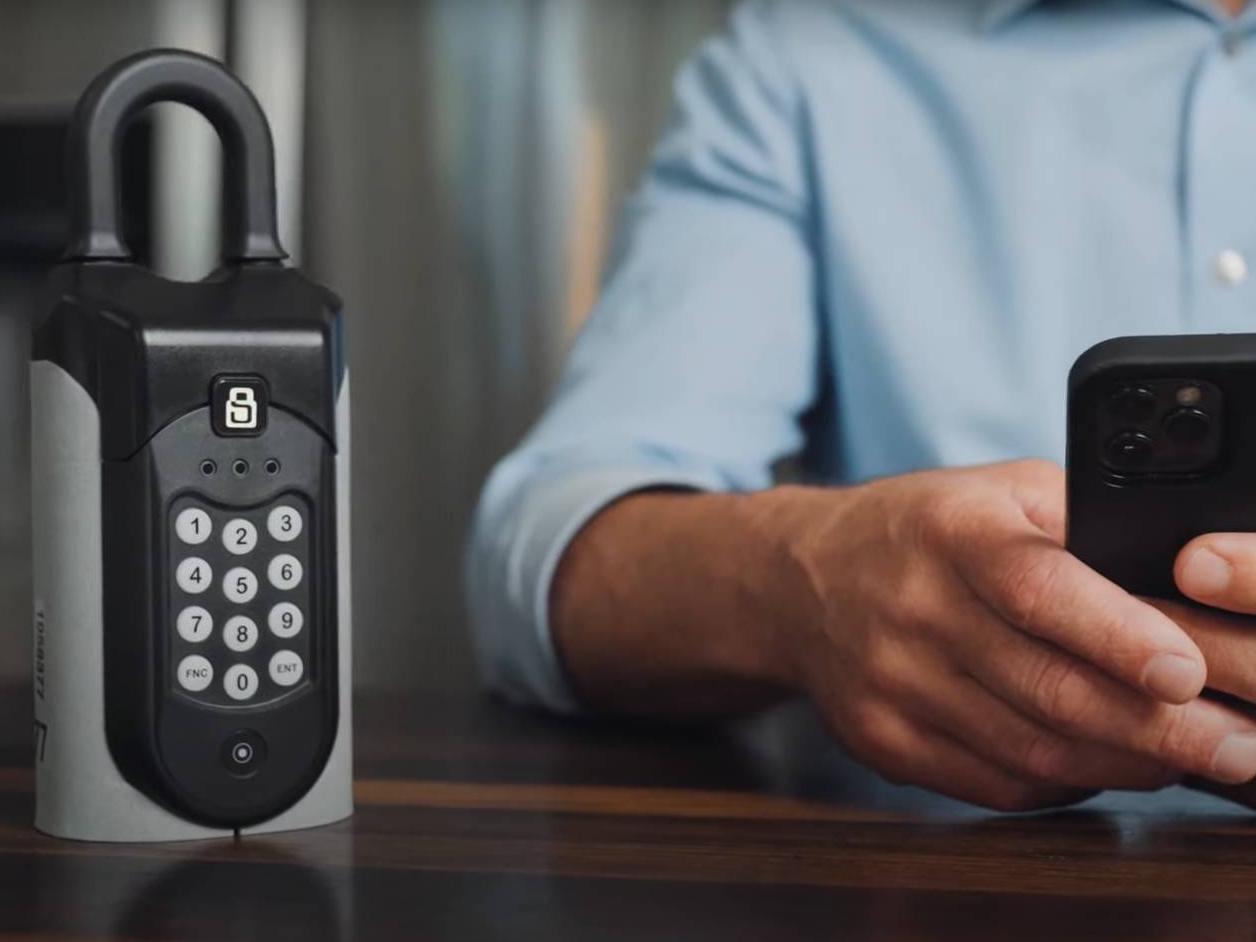
Before discussing our key holding solutions, we spend time understanding a potential client’s requirements and expectations in detail. In some cases, this allows us to highlight additional operational benefits based on our experience with similar projects. In others, we are not hesitant to walk away if we believe the client would benefit more from a different solution or approach altogether.
This consultation stage is critical to ensure budgets are not wasted on solving a problem that will quickly need to be revisited. It can also uncover additional use cases and benefits that support internal buy-in, helping to drive acceptance among key decision-makers and day-to-day users.
Creating a solid trial plan
For physical security solutions, simply installing a small number of units across an estate to see how they perform is rarely an effective way in which to assess a system. Without structure, ‘proof of concept’ exercises often fail to demonstrate real operational value.
A clearly defined evaluation plan is a vital document and one that’s frequently overlooked. At a minimum, it should set out the purpose of the implementation, the problem the solution is intended to address, key stakeholders and system users, timelines (including learning and adoption periods) and clear Key Performance Indicators in addition to expected outcomes.
The product introduction and adoption stage deserves separate attention. If training’s required, but never delivered, then resistance to using the system can follow. In the worse case scenario, the solution may never be properly tested in live conditions, leading to delays or outright rejection.
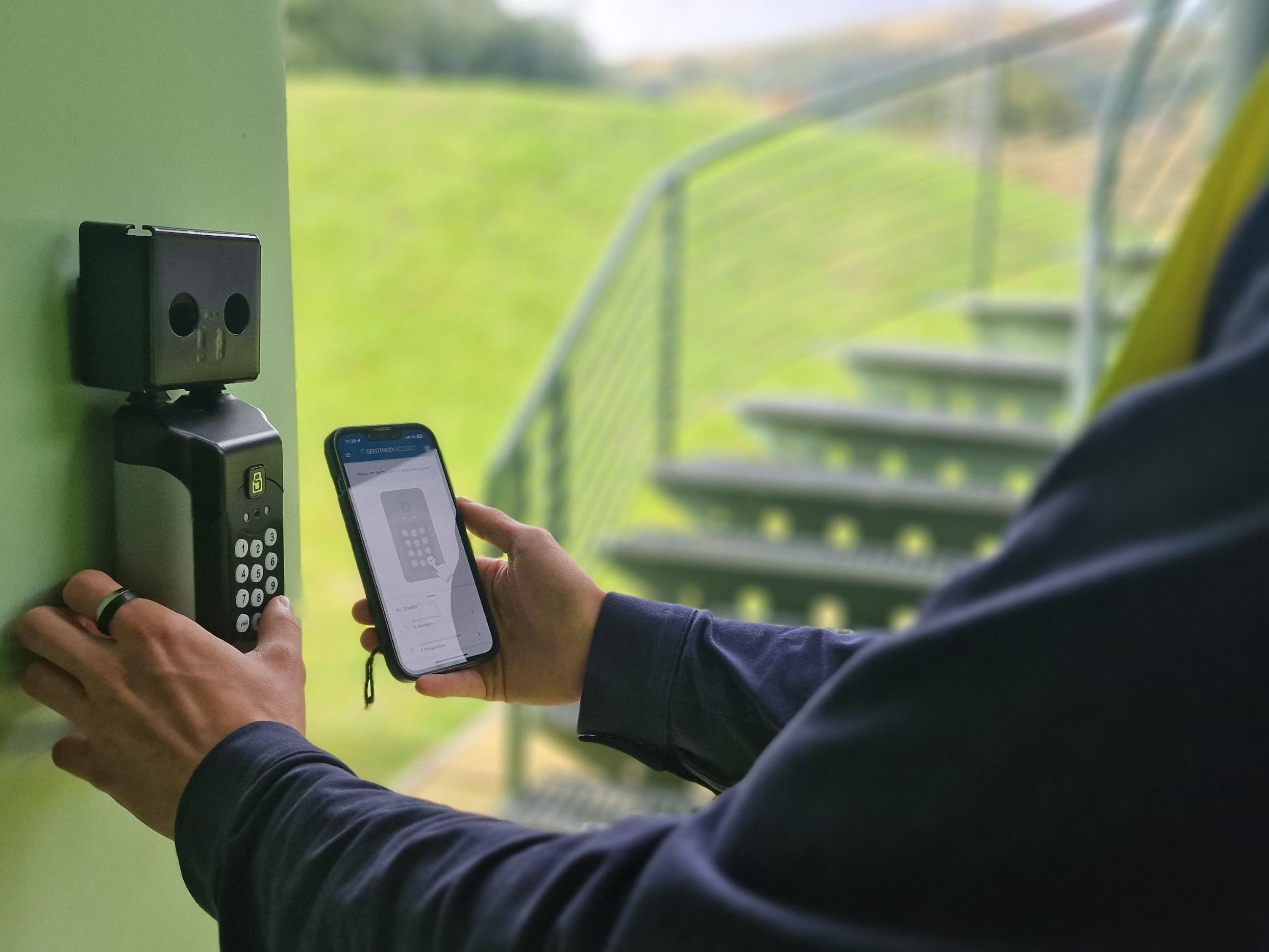
That’s why we focus on a joint effort between ourselves as the supplier and the client. We ensure all stakeholders understand how to use SentriGuard, our latest key holding system, through training guides, videos and online sessions, regardless of how user-friendly the system may appear to be.”
Sticking to agreed timelines
Security operations are often reactive by nature. Incident response and day-to-day firefighting can consume time and resources, making it easy for new initiatives to lose momentum.
As a result, a product evaluation may sometimes be paused or abandoned as priorities shift or key stakeholders change roles (or leave the organisation altogether). This can set the project back significantly, requiring the solution to be reintroduced to new decision-makers. In some cases, however, recurring issues force a rapid full roll-out, bypassing the evaluation stage entirely and introducing additional risk.
Adhering to agreed trial timelines is essential. These should be realistic, clearly defined and supported by a robust project management approach. Doing so helps to maintain momentum and supports a proactive approach, ensuring security infrastructure is ready to respond effectively to any future threats.
Maintaining dialogue after roll-out
Reaching the end of a successful trial and completing a full roll-out is a positive milestone, but it should not mark the end of the journey.
Ongoing communication between client and supplier helps to ensure systems continue to deliver maximum value, whether through feature optimisation, new integrations or future development driven by user feedback.
Our ongoing partnerships with clients help to shape new software features that address specific operational needs and integrate with other security systems. Many of the ideas we are currently developing have emanated directly from feedback provided by users in the field.
By sharing insights into how solutions are used in practice, end users play an active role in shaping the future of security technology.
Stuart Wheeler is Managing Director of Keynetics (www.keyneticsltd.co.uk)
Malvern Hills Science Park
Geraldine Road
Malvern
WR14 3SZ
UNITED KINGDOM
+44 (0)1684 219097