Brian Sims
Editor
Brian Sims
Editor

THE WORD ‘audit’ can make most organisations uneasy. It often brings to mind scrutiny, pressure and the risk of uncovering gaps, notably so when finances or compliance are involved, writes Gavin Watt. Business continuity audits, though, shouldn’t feel the same.

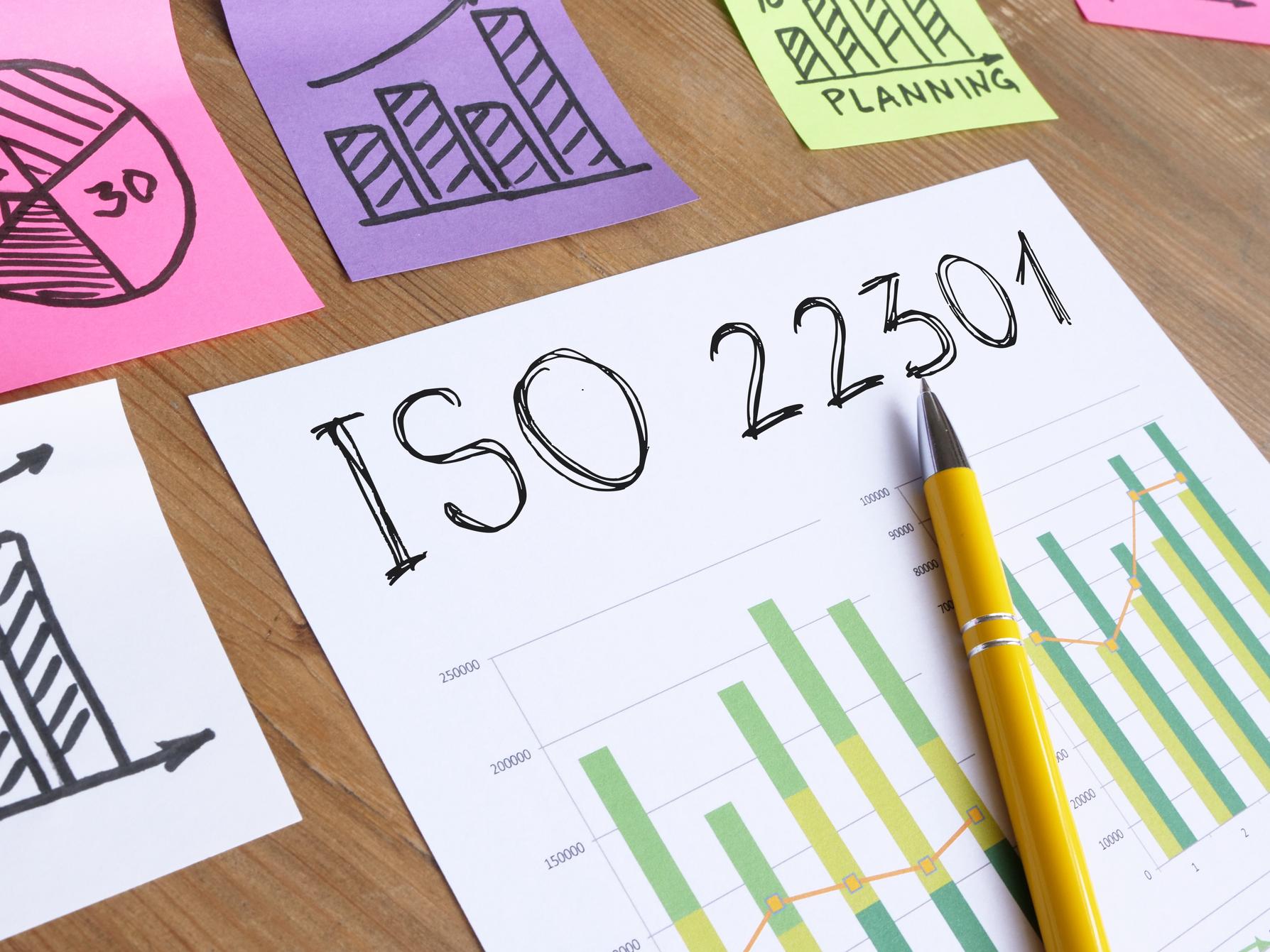
For organisations with an ISO 22301-aligned business continuity management system, an audit process is less about being caught out and more to do with proving your resilience works when it matters. The hardest aspect isn’t achieving certification to ISO 22301, but rather maintaining the business continuity management system moving forward.
For clarity, ISO 22301 is the international standard for business continuity management. It provides a framework for identifying critical activities, assessing risks, planning for disruption and improving organisational resilience over time.
An ISO 22301 audit assesses whether your business continuity management system meets the ISO standard’s requirements and is working in practice. Auditors look for evidence that business continuity is maintained, reviewed and improved over time.
Not all about documentation
A common pitfall when preparing for audit is an over-reliance on documentation: business continuity plans and policies. Yes, these are essential, but on their own they don’t demonstrate resilience.
Any business continuity plan that isn’t understood, tested and kept udated is unlikely to hold up during a real incident. True resilience comes from how well these plans are embedded into day-to-day operations and decision-making.
ISO 22301 isn’t about producing documents. Rather, it’s about ensuring that your organisation can continue to operate during disruption and recover within acceptable timeframes.
What do auditors look for?
In order to prepare for an ISO 22301 audit, organisations need to demonstrate that business continuity is embedded across the organisation, not just documented. In essence, that means being able to evidence the following:
*a clear understanding of your organisation
*leadership that’s genuinely engaged
*a joined-up approach towards risk and planning
*people who know what to do
*plans that work in the real world
*ongoing review
*continuous improvement in practice
Auditors want to see that you understand your organisation’s operating environment: its risks, dependencies, stakeholders and regulatory obligations.
This includes having a clearly defined business continuity management system scope that reflects what truly matters to the organisation.
If the scope is vague, overly broad or otherwise not aligned to critical services, that quickly raises concerns about how effective the business continuity management system can be in practice.
Leadership that’s engaged
Business continuity cannot sit in a silo. Strong leadership involvement is critical. Auditors will look for evidence that senior management are actively driving and supporting the business continuity management system, not just signing-off on policies. This includes owning the business continuity policy, setting direction, allocating resources and participating in management reviews.
Without visible leadership commitment, it’s difficult to demonstrate that resilience is embedded across the organisation.
Importantly, the risk assessment, business impact analysis and business continuity objectives should all connect. Auditors will expect to see a clear process for identifying risks and opportunities and how these translate into defined business continuity objectives. They will also look for alignment between the risk register, business continuity policy and continuity plans.
Ultimately, a well-structured approach shows that your organisation is not only managing risk, but also continually improving its resilience.
People who know what to do
In a disruption, clarity matters. Auditors will assess whether people understand their roles and responsibilities during an incident, know how they will be contacted and can access the information they need.
This is supported by role-specific training, clear communication processes and organisation-wide awareness. Embedding business continuity into onboarding and regular training programmes helps to ensure that preparedness is visible right across the business.
Your business impact analysis and risk assessment form the backbone of your business continuity management system. They identify your critical activities and define how quickly they need to be recovered.
Auditors will examine how these are developed, whether recovery objectives are justified and also whether they’re regularly reviewed (the frequency for the latter being at least annually or following significant business change).
From there, your business continuity and incident management plans must bring this to life. They should be aligned to the business impact analysis, updated, practical and easy to follow under pressure and accessible during an incident.
Auditors will also assess whether your exercising programme is effective. Regular testing is expected, but more importantly, organisations must demonstrate that lessons are identified, actions are taken and improvements are made over time.
Ongoing review
Any business continuity management system isn’t static. It needs to evolve with the organisation. Auditors will expect evidence of internal audits, management reviews and performance monitoring to ensure the business continuity management system remains effective.
Auditors may also review how your organisation has responded to real incidents, whether plans were effective, recovery objectives met and what lessons were learned. This feedback loop is key for maintaining resilience.
No business continuity management system is perfect. Auditors don’t expect them to be so. What they do expect, though, is a clear approach to managing non-conformities and corrective actions. This includes identifying issues, addressing root causes and evidencing improvements.
Strong organisations can demonstrate how lessons from exercises and real incidents feed directly into updates to plans, processes and strategy, ensuring the business continuity management system continues to mature over time.
In the end
An ISO 22301 audit shouldn’t be something to fear. When the right foundations are in place, it should be viewed as a valuable opportunity to validate your organisation’s resilience.
If business continuity is embedded in your culture, supported by leadership, regularly tested and continuously improved, the audit becomes far less daunting and, what’s more, far more meaningful.
Ultimately, ISO 22301 focuses on resilience. How is your organisation going to maintain its critical functions and ‘keep the lights on’ during a disruption? How quickly and effectively can the organisation recover?
Gavin Watt is Senior Business Resilience Consultant at Databarracks (www.databarracks.com)
Western Business Media Limited
Dorset House
64 High Street
East Grinstead
RH19 3DE
UNITED KINGDOM