Brian Sims
Editor
Brian Sims
Editor

DESPITE 95% of UK lone workers suggesting that they generally feel safe when on duty, new research conducted by Securitas UK suggests that, beneath the surface, many such employees are experiencing hidden pressures and dangers that leave them feeling vulnerable, unsupported and lacking confidence while working alone.

That gap between broad sentiment and lived experience becomes clearer when considerations turn towards specific risks rather than general feeling. In the survey of circa 500 lone workers operating across the UK, Securitas found that more than two in every five (ie 43%) respondents said they had felt threatened while working alone, while more than one-third (36%, in fact) of them had experienced a workplace incident.
Despite these figures, almost half (46%) of all respondents to the survey said they receive no lone worker safety training from their employer and 58% believe their employer could be doing more in a bid to protect them.
The research findings suggest that, while many lone workers may not consider themselves to be unsafe, significant numbers are navigating a combination of physical risks, inconsistent support and gaps in training. Alongside concerns relating to personal safety, more than one quarter (28%) observed that lone working impacts their mental well-being, while 38% stated that they often (or at the very least sometimes) feel isolated when working alone.
Facing pressures
Gary Agnew, head of solutions at Securitas UK, informed Security Matters: “These findings are a clear example of the truism that headline figures don’t always tell the whole story. When you look beneath the surface, it’s quite clear many individuals are facing pressures that can undermine their confidence, whether that’s experiencing threats, lacking training, feeling isolated or simply not feeling fully supported by their employer.”
Interestingly, the research has also identified opportunities for employers to strengthen lone worker protection. One in every four respondents lacks confidence that the safety tools provided would protect them in an emergency. One in every five are not comfortable using the tools they’ve been given and one-third never check-in during their shifts.
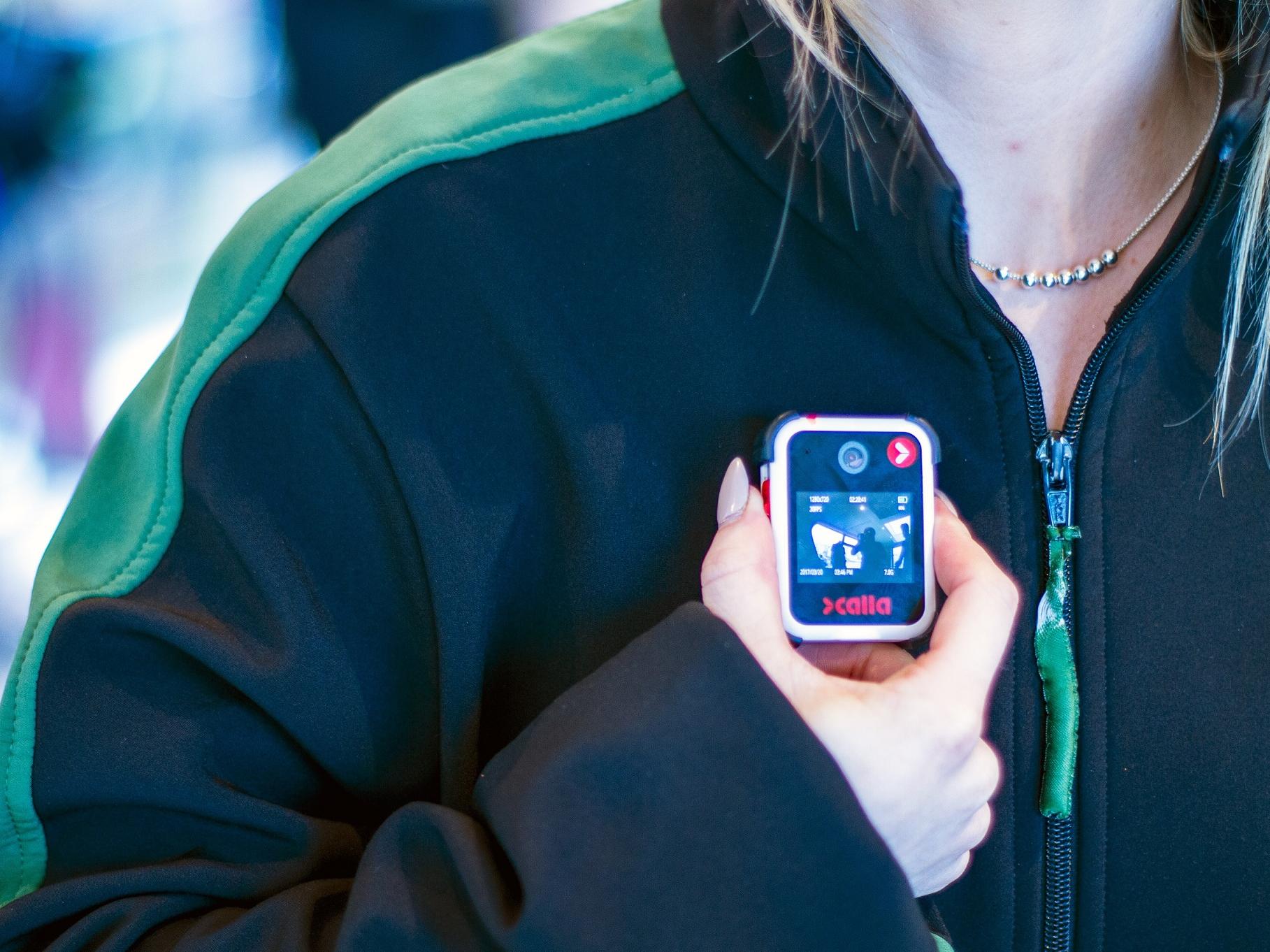
When assessed in unison, these findings highlight the importance of taking a more proactive and connected approach towards lone worker safety. While training and communication form an important part of the wider picture, technology and monitoring can provide greater visibility, support faster incident response and assist organisations in better managing lone worker risk.
Support and protection
“Lone worker safety isn’t just about responding when something goes wrong,” stated Agnew. “It’s also about creating the confidence that people have the right support and protection around them when they need it. Employers should view these research findings as an opportunity to look beyond whether their people simply feel safe and also consider whether or not the arrangements they have in place reflect the risks their lone workers actually face.”
Agnew concluded: “Training and communication are important parts of that picture, of course, but so too is technology that employees feel confident using and that can provide greater visibility and support as well as a faster response when an incident occurs. ‘Safe enough’ can no longer be considered good enough for lone workers. They need to be able to feel safe with certainty.”
*Further information is available online at www.securitas.uk.com
Western Business Media Limited
Dorset House
64 High Street
East Grinstead
RH19 3DE
UNITED KINGDOM