Brian Sims
Editor
Brian Sims
Editor

NAMED TO honour the memory of Martyn Hett, one of the 22 people killed in the Manchester Arena terror attack in 2017, Martyn’s Law – officially the Terrorism (Protection of Premises) Act 2025 – will bring significant changes to how venues across England, Wales, Scotland and Northern Ireland approach security measures, writes Alan Ring.

The legislation will require those responsible for certain premises and events to consider the threat posed by terrorism and put in place proportionate mitigation procedures. For public-facing organisations, that raises the bar on what readiness looks like in practice.
With the legislation having received Royal Assent last April, the Government expects an implementation period of at least 24 months while statutory guidance is prepared and the Security Industry Authority builds its new regulatory function. The implementation period is expected to be completed in early spring 2027, with organisations having a clear window to prepare in the meantime.
While organisations do still have time to assess and plan for this new law, now is not the time for them to sit back.
Moment to prepare, not pause
For many venues, transport hubs, hospitality settings and other public-facing spaces, the temptation will be to view Martyn’s Law as something that’s important, but still on the horizon. That would be a mistake.
The real value of this period is that it creates an opportunity to prepare for meeting the new requirements when the law does come into force. That means examining what already exists and stress-testing any assumptions about a given venue’s current security set-up. Organisers should use this ‘runway towards compliance’ as a chance to find and resolve any weak spots while there’s still time to fix them. It’s also vital to make sure that those responsible for responding in a crisis understand exactly what’s expected of them.
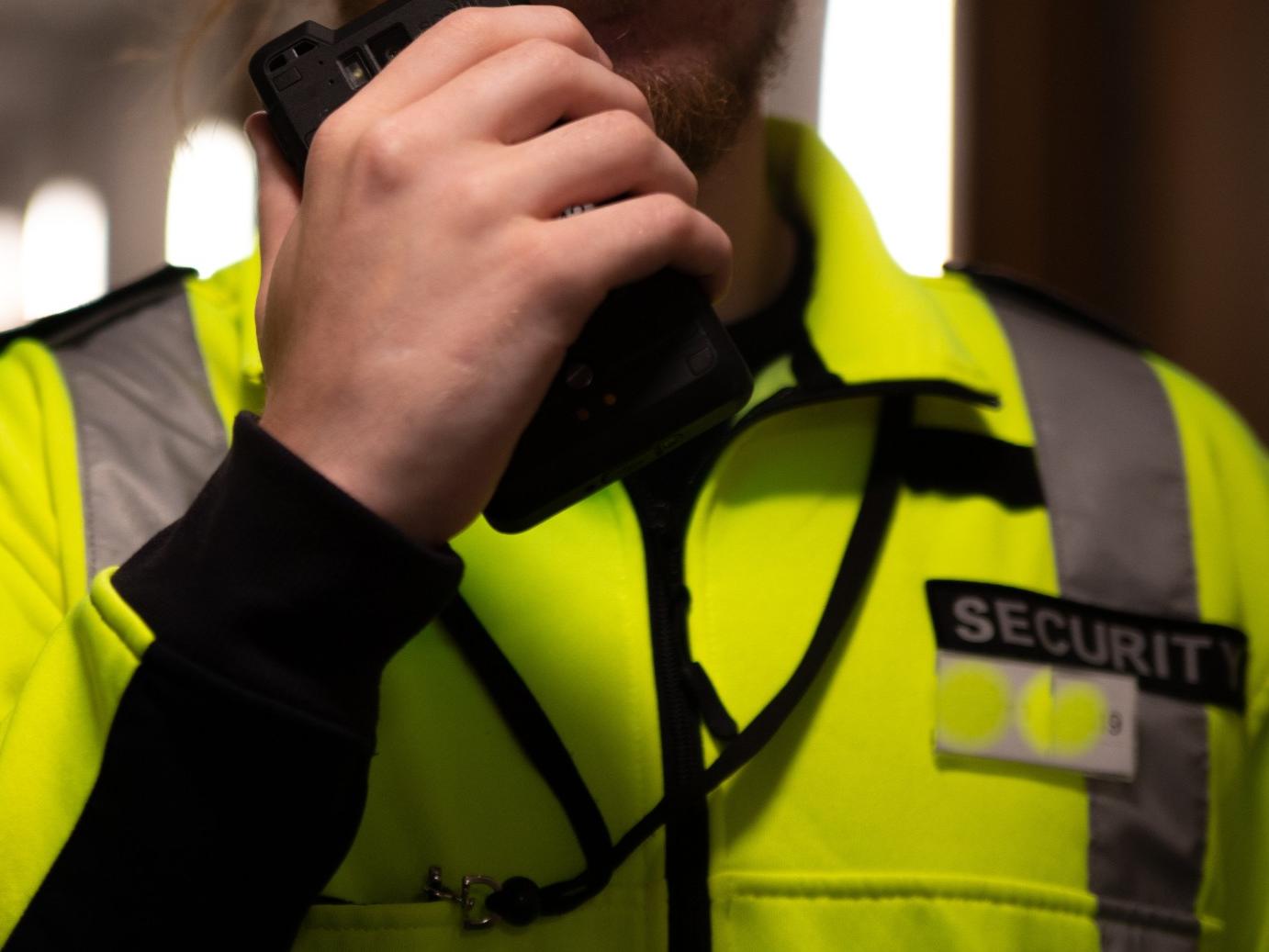
You cannot possibly predict every scenario, but you can ensure teams are not encountering a situation for the first time when it happens. If something goes wrong in the real world, members of staff will not be able to rely on a plan they intended to review later. Instead, they’ll fall back on what they’ve already tested: familiar procedures, trusted communication channels and the tools they use every day – whether radios, access control systems or body-worn cameras – in order to provide a clear record of events as they unfold.
Plan on paper versus real readiness
When it comes to building that plan, it can be easy to mistake documentation for preparedness. However, plans on paper are not enough. In a meeting room, tactics and strategies can be neatly structured or clearly written. In real life, public-facing environments are rarely neat.
In a real emergency, events often unfold in fast-moving, unpredictable and unexpected ways. Entrances can become blocked. Crowds can behave unpredictably and information about the unfolding situation can arrive in fragments. In many cases, one issue quickly creates another, in turn escalating the pressure. The real question is not whether a venue has a plan, but whether the individuals in charge of enforcing that plan could use it when conditions are changing fast, under pressure and in real-time.
That’s why preparation cannot be treated as an annual exercise. Plans should remain active, being revisited on an ad hoc basis (in order to keep teams ready for anything) and whenever something about the venue changes. That could be a new layout, a change in staffing, the introduction of a new event or even an increase in footfall.
Venues can change on a constant basis. Their preparedness must evolve in parallel.
Clarity under pressure
With any fast-moving incident, uncertainty can cost valuable time. Should the worst happen, action needs to be decisive and responsibilities need to be clear. Who takes charge? Who communicates with staff? Who speaks to the Emergency Services? If those answers are vague or unknown, matters will start to unravel pretty quickly.
Leaders can set the tone by showing that preparedness is part of an organisational mindset, not just a -icking exercise. In reality, readiness involves everyone, not just senior leadership or those specifically in charge of security. From stewards to contractors and on again to front line staff, everyone plays a part and needs to understand where responsibility sits and what happens next.
In a busy public setting and under the stress of a real-life emergency, no-one should be trying to work that out ‘on the fly’.
A stadium on event day, a busy concourse at peak time or a packed venue on a weekend all bring different pressures. Security and preparedness must reflect the lived reality of those environments, not an ideal version of them. A plan that worked for one configuration of a venue may not hold up six months later if entrances, exits, staffing levels or crowd flows have changed.
Building confidence
Preparedness is only real if it stands up when the pressure’s on. It’s one thing to have procedures signed-off, but it’s quite another to know that the people on the ground can make the right call when radios are busy, entry points are congested and information is coming in from three directions at once.
That’s why this period before Martyn’s Law comes into force matters so much. Public-facing organisations should be using it to test whether their plans actually work on the ground. Not just whether a plan exists, but whether it holds up under pressure and the right people can make the right call quickly. Teams need to know who’s leading, how decisions are escalated and what happens next if a site needs to go into lockdown or be evacuated in response to a fast-moving threat.
In a stadium, station or busy venue, familiarity matters. Pressure exposes anything that feels unclear, clunky or untried. The organisations in the strongest position will be the ones that have already put their procedures, communication lines and day-to-day systems under strain before a live incident ever forces the issue.
Reputational risk
Aside from keeping people safe, there’s also a reputational element to consider. In today’s digital world, incidents unfold in public. Problems can be captured from every angle, circulated online within minutes and appraised in real-time.
In those instances, organisers will be judged not just on what happened, but on whether they looked in control from the outset. For venue operators, that raises the stakes. Organisations need to evidence that decisions were clear and that the right actions were taken at the right time and for the right reasons.
That’s also why technologies such as body-worn cameras can play a supporting role, helping to provide clear and first-hand evidence if decisions and actions come under scrutiny at a later juncture.
Public-facing organisations should not just be focusing on what Martyn’s Law will require when it comes into force, but whether their preparedness would stand up to scrutiny today.
Martyn’s Law has already succeeded in pushing preparedness higher up the agenda. Venue management teams now have a choice to make. They can treat this as a future problem, waiting for final guidance before taking meaningful action. Alternatively, they can use this period properly by reviewing plans, testing assumptions, clarifying responsibilities and making sure their employees would know what to do in a fast-moving emergency.
It’s no longer a question of whether Martyn’s Law is coming. It’s whether organisations are using this window well enough to be ready when it does.
Alan Ring is CEO of HALOS (www.halosbodycams.com)
Western Business Media Limited
Dorset House
64 High Street
East Grinstead
RH19 3DE
UNITED KINGDOM